
A late checkout at 11:05, new guests due at 3:00, and a message asking if early check-in is possible - that is where a proper guide to Airbnb turnover cleaning becomes useful. Short-let cleaning is not the same as routine domestic cleaning. It has to be fast, methodical and consistent, because every missed mark can show up in a review.
For Airbnb hosts and serviced accommodation managers, the goal is simple: the property needs to look fresh, feel hygienic and be ready on time for every arrival. That means cleaning is only one part of the job. Turnover work also includes checking damage, resetting the space, replacing consumables and spotting anything that could affect the next booking.
What makes Airbnb turnover cleaning different
A normal weekly clean focuses on general upkeep. Turnover cleaning is tied to a deadline, a guest experience and the reputation of the property. Guests are not just noticing whether the floor has been vacuumed. They are noticing crumbs in the toaster, watermarks on taps, fingerprints on glass and whether the bed looks properly finished.
There is also less room for delay. If a cleaner arrives late or the process is disorganised, the whole booking schedule can be affected. For hosts managing multiple properties, that pressure increases quickly. A reliable system matters more than speed alone.
Guide to Airbnb turnover cleaning: what needs to happen every time
The best approach is to clean in the same order for every changeover. That reduces missed tasks and helps maintain a consistent standard. In most properties, the turnover starts with ventilation, rubbish removal and a quick inspection. Open windows where appropriate, empty all bins, collect forgotten items and note anything broken, heavily stained or missing.
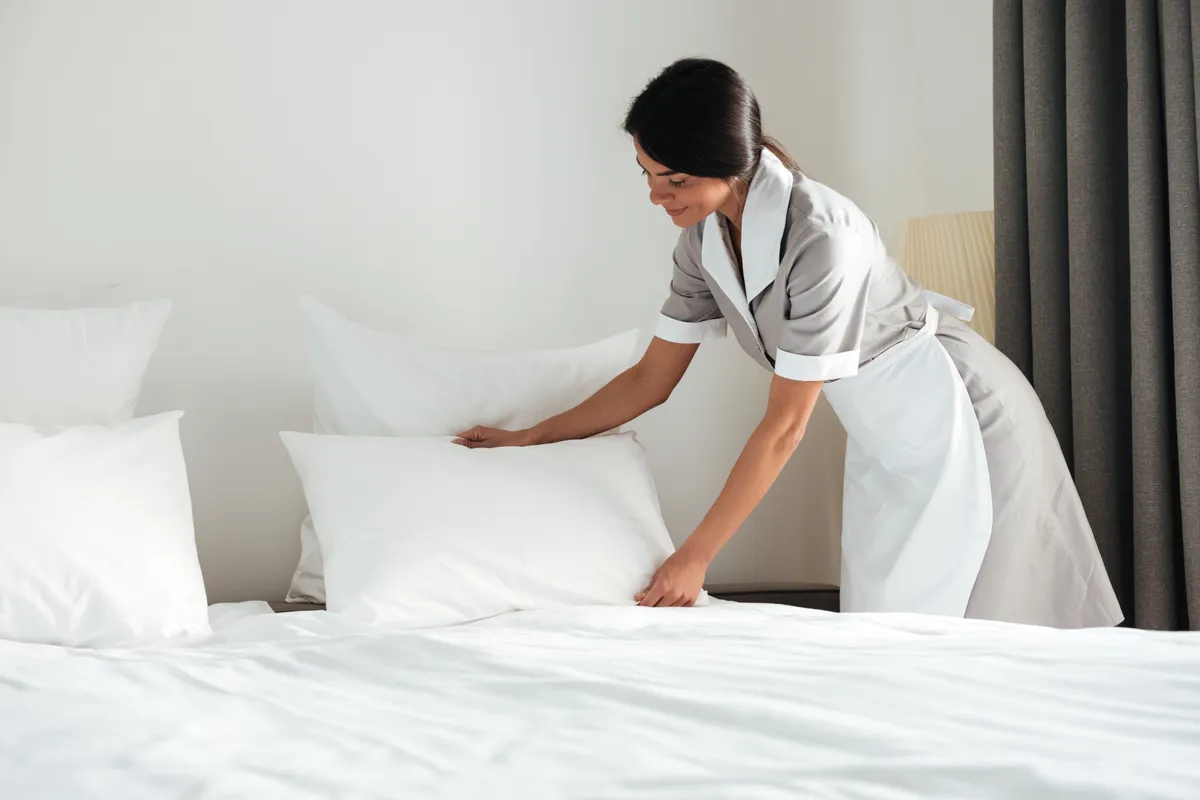
After that, focus on the areas guests judge most harshly - the kitchen, bathrooms and beds. Kitchens should be degreased and reset properly, not just wiped over. Check the hob, splashback, sink, kettle, microwave, fridge shelves and handles. Bathrooms need attention to limescale, mirrors, taps, shower screens, toilets and floor edges. In bedrooms, fresh linen is essential, but presentation matters just as much. Creased bedding, loose pillowcases or hair left behind can make a room feel unclean even after a full clean.
Living areas should then be dusted, vacuumed and staged neatly. Cushions need straightening, remotes should be in place, and obvious marks on doors or skirting boards should be dealt with. Finally, replace supplies such as toilet roll, washing-up liquid, tea, coffee and bin liners according to your setup.
The checklist should cover cleaning and presentation
A strong turnover checklist is not only about hygiene. It should include the visual details that shape first impressions. That means checking that lamps work, curtains hang properly, mirrors are streak-free and the entrance is tidy. If the property has outdoor space, that area needs checking too, especially in warmer months when guests are more likely to use it.
The point is consistency. Guests may forgive a small property, basic decor or a compact bathroom. They are much less forgiving of dust, odours or signs that the last stay has not been fully cleared away.
Timing matters as much as standards
Even an excellent clean can become a problem if it is not finished before check-in. That is why hosts should think carefully about scheduling. If your property regularly has same-day changeovers, the cleaning plan needs to be realistic. A larger house with multiple beds, frequent family bookings or pet stays may need more time than a small one-bedroom flat.
This is where many hosts underestimate the workload. Laundry, drying time, travel between properties and stock replenishment all add time. If you build your turnover process around best-case scenarios, delays will catch up with you. It is usually better to allow a little more time than to promise early access and rush the job.
Build around the busiest points
Weekends, school holidays and summer bookings often create tighter turnaround windows. If demand is strong, cleaning support needs to be dependable during those periods, not just during quieter weeks. A cleaner who can only attend occasionally may not be enough for an active short-let calendar.
For managed properties, it also helps to keep spare linen sets, backup toiletries and replacement basics on hand. That way, one delayed wash cycle or a damaged duvet cover does not disrupt the next arrival.
The areas guests notice first
Hosts sometimes focus heavily on deep cleaning tasks while overlooking the simple things guests see within the first minute. Entrance areas matter. So do smells. If the property looks clean but carries stale cooking odours, dampness or strong chemical scents, the arrival experience suffers.
Bathrooms and beds usually make the strongest impression. If those two areas are spotless, fresh and well presented, guests tend to feel more comfortable straight away. Kitchens come next, particularly for longer stays and family bookings where guests expect to use the space properly.
It also helps to look at the property the way a guest would. Stand in the doorway. Check eye level surfaces, corners, light switches and handles. Those are the details often missed when the focus is only on mopping floors and changing linen.
Should hosts do turnover cleaning themselves?
It depends on the property, the booking frequency and how much time the host can reliably give to it. If you manage one small short-let close to home and have flexibility between bookings, self-managing the cleaning may work well. You keep control of standards and can spot maintenance issues quickly.
The trade-off is time and pressure. Turnover cleaning is repetitive, deadline-driven work. It also becomes harder to manage when you have back-to-back bookings, multiple properties or guests checking out in poor condition. If the host is also handling messages, pricing, laundry and maintenance, cleaning can become the part that causes the most stress.
Using a professional service is often the more practical option once a property is busy. A cleaning team with a clear turnover routine can work faster, bring their own equipment and products, and maintain standards even during peak periods. For hosts in Ipswich and the wider Suffolk area, that kind of support can make the difference between a manageable short-let and one that constantly demands attention.
Common mistakes that lead to poor reviews
The most common issue is not usually dramatic dirt. It is inconsistency. One stay is spotless, the next has dust on shelves or used items left in a cupboard. Guests notice when standards vary, especially if the listing promises a high level of cleanliness.
Another mistake is focusing only on visible surfaces. Sofas, mattress protectors, extractor fans, under-bed areas and inside bins all need regular attention. Then there is stock control. Running out of toilet roll, hand soap or tea bags is avoidable, but it still leads to complaints.
Poor communication between cleaning and management is another weak point. If damage, stains or maintenance issues are not reported promptly, the next guest may arrive before the problem is dealt with. A good turnover process should include a simple reporting method, with photos where needed.
When a deeper clean is needed
Not every turnover can be handled with a standard reset. Some bookings create heavier wear, especially after long stays, group bookings or family visits. In those cases, it may be sensible to schedule an occasional deeper clean alongside regular turnovers.
This allows extra time for carpet care, upholstery refreshing, inside cupboards, internal windows, detailed descaling and areas that are not practical to address fully during a tight same-day changeover. It is a sensible way to protect the overall standard of the property rather than waiting until problems become obvious in reviews.
Choosing support that actually helps
If you are hiring out the work, reliability should come first. A cheaper clean is not much use if the team arrives late, misses restocking or cannot cover urgent changeovers. Look for a service that understands the full turnover process, not just general household cleaning.
That includes linen handling, presentation, reporting issues and working to a booking schedule. A local provider such as Bedeen Cleaning Services can also offer practical advantages - quicker response times, familiarity with the area and the ability to support other cleaning needs if the property requires a deeper clean, carpet cleaning or end-of-tenancy work.
A good turnover clean protects more than hygiene. It protects your ratings, your calendar and the amount of time you need to spend fixing preventable problems. When the process is organised properly, guests walk into a space that feels cared for, and that is what they remember when they leave a review.