A late checkout, a same-day arrival and a guest who notices dust on the skirting board within minutes - that is usually how short-let cleaning gets judged. In this setting, a good short let cleaning checklist is not just about hygiene. It is about protecting reviews, keeping bookings on track and making sure the property feels cared for from the moment a guest walks in.
Short-let properties are held to a different standard from most homes. Guests expect the comfort of a lived-in space with the finish of a hotel. That means cleaning needs to be consistent, quick and detailed at the same time. If you manage one property or several across Ipswich and Suffolk, a proper process helps you avoid missed jobs, rushed resets and complaints that could have been prevented.
Why a short let cleaning checklist matters
A standard domestic clean is rarely enough between guest stays. Short lets see frequent use, high footfall and constant turnover. Bathrooms need checking for presentation as well as cleanliness. Kitchens need to be sanitised and reset. Beds, towels and consumables all need attention. Even when a property looks tidy at first glance, small oversights can affect a guest's first impression.
A checklist creates consistency. It gives cleaners, hosts and property managers a clear standard to work to each time. That matters even more when bookings are back-to-back or different team members are handling changeovers. Without a set routine, it becomes easy to forget low-level details such as remote controls, inside bins, fridge shelves or fingerprints on glass.
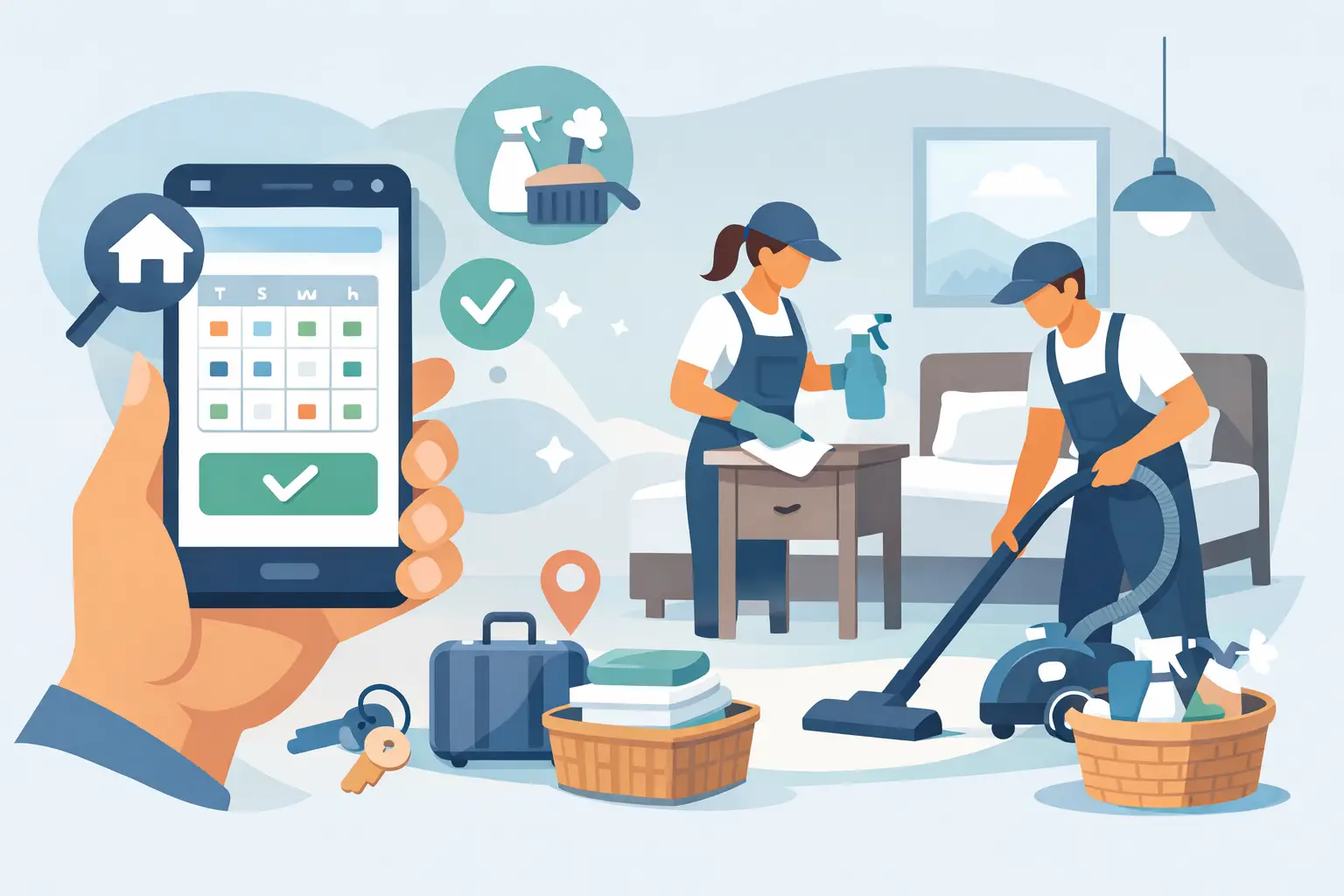
There is also a practical side. A checklist saves time because it reduces second-guessing. Instead of deciding what needs doing in the moment, the work is already mapped out. That helps with scheduling, stock control and quality checks.
Start with the right order of work
The most effective short-let cleaning routines follow a sequence rather than jumping from room to room. Ventilate the property first by opening windows where appropriate. Collect rubbish, strip beds and gather used towels before deeper cleaning begins. This clears the space and makes it easier to see what needs attention.
After that, focus on kitchens and bathrooms first, as these are the areas guests inspect most closely and where products often need a little dwell time to work properly. Once those spaces are underway, move through bedrooms and living areas, dusting from top to bottom and finishing with floors last. A final reset and presentation check should always come at the end, when the property is clean and ready to stage.
This order is simple, but it prevents wasted effort. There is no point mopping a floor before bed linen has been changed or bins have been emptied.
Kitchen checks that guests notice immediately
The kitchen often shapes a guest's view of the whole property. If it feels fresh, organised and hygienic, people tend to relax quickly. If it smells off or has crumbs in corners, trust drops straight away.
Clean and disinfect worktops, cupboard fronts, handles, taps and the sink. Check the hob carefully, including burner rings, splashbacks and control knobs. The microwave, kettle, toaster and fridge should be wiped inside and out, with any leftover food removed unless it is intentionally supplied for guests. Pay attention to grease build-up, water marks and crumbs in drawers or on shelving.
Presentation matters here as much as sanitation. Replace bin liners, check that crockery and cutlery are clean and put away properly, and make sure tea, coffee or welcome items are neatly arranged if they are part of the setup. A missing teaspoon is minor operationally, but guests notice when a kitchen feels incomplete.
Bathroom cleaning needs a higher standard
Bathrooms are one of the main reasons guests leave poor feedback after an otherwise pleasant stay. They are small spaces, which means any missed detail stands out.
Toilets, basins, baths and showers should be fully cleaned and sanitised, including flush buttons, taps, shower screens and tile edges. Limescale, hair and soap residue need particular attention. Mirrors should be polished properly, and floors should be cleaned right into the corners and behind the door where dust tends to gather.
Restocking is part of the clean. Fresh towels, toilet roll, hand soap and any guest toiletries should be checked before leaving. It is also worth looking for maintenance issues during every turnaround. A leaking tap, slow drain or mould forming around sealant can quickly turn into a bigger problem if no one flags it early.
Bedrooms should feel fresh, not simply tidy
In a short let, bedrooms sell comfort. Guests are not only looking for cleanliness. They want the room to feel reset for them personally.
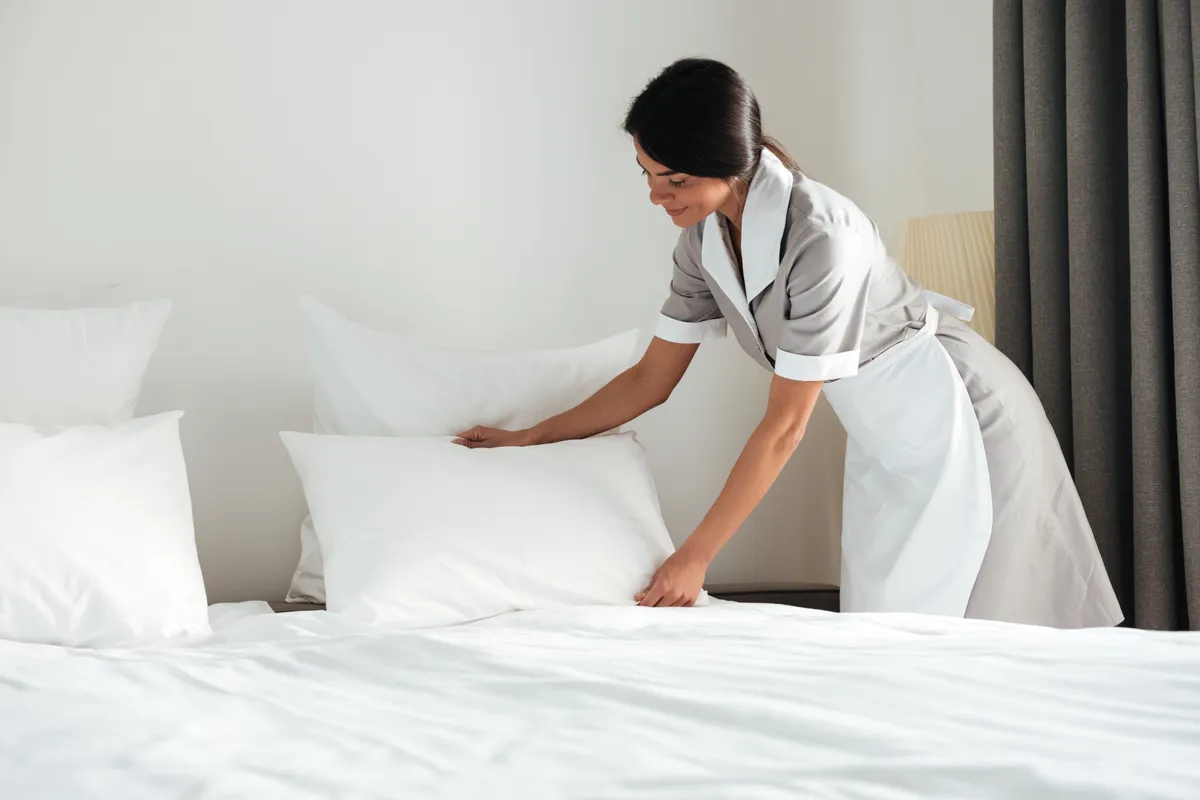
Strip used linen completely and check mattress protectors, pillows and duvets for marks or odours. Replace bed linen with clean, pressed sets and make beds neatly, with attention to alignment and finish. Dust bedside tables, headboards, lamps, skirting boards and wardrobes. Wipe handles and switches, and check under the bed for lost items, dust or rubbish.
If the room includes decorative cushions or throws, these need to look deliberate rather than thrown back onto the bed in a hurry. The difference between acceptable and excellent often comes down to presentation.
Living spaces need both cleaning and resetting
Guests spend time in living rooms and entrance areas, so these spaces should feel immediately welcoming. Start with high-touch points such as door handles, light switches, bannisters, thermostats and remote controls. Then move on to coffee tables, shelves, sideboards and any obvious surfaces where dust settles.
Sofas and chairs should be vacuumed and checked for crumbs, stains or items left behind. Straighten cushions, fold throws neatly and ensure any guest information is where it should be. If the property includes a dining area, wipe the table and chair seats properly rather than giving them a quick once-over.
This is also the stage to look at windows internally, especially if there are visible marks at eye level. Not every turnover requires a full window clean, but smears and fingerprints should not be left if they affect presentation.
Floors, finishing touches and smell checks
Once surfaces are complete, vacuum carpets and rugs thoroughly and mop hard floors with the right product for the material. Edges matter. Guests might not comment on a well-cleaned floor, but they will notice debris in corners or hair along the bathroom skirting.
After the cleaning itself, do a final pass focused on the guest experience. Check that the property smells fresh rather than heavily perfumed. Overpowering fragrance can be as off-putting as stale air, particularly for guests with allergies or sensitivities. Adjust blinds or curtains, switch on lamps if needed for darker arrivals and make sure the temperature feels reasonable.
These last few minutes are often what lift a property from clean to guest-ready.
A practical short let cleaning checklist for each turnover
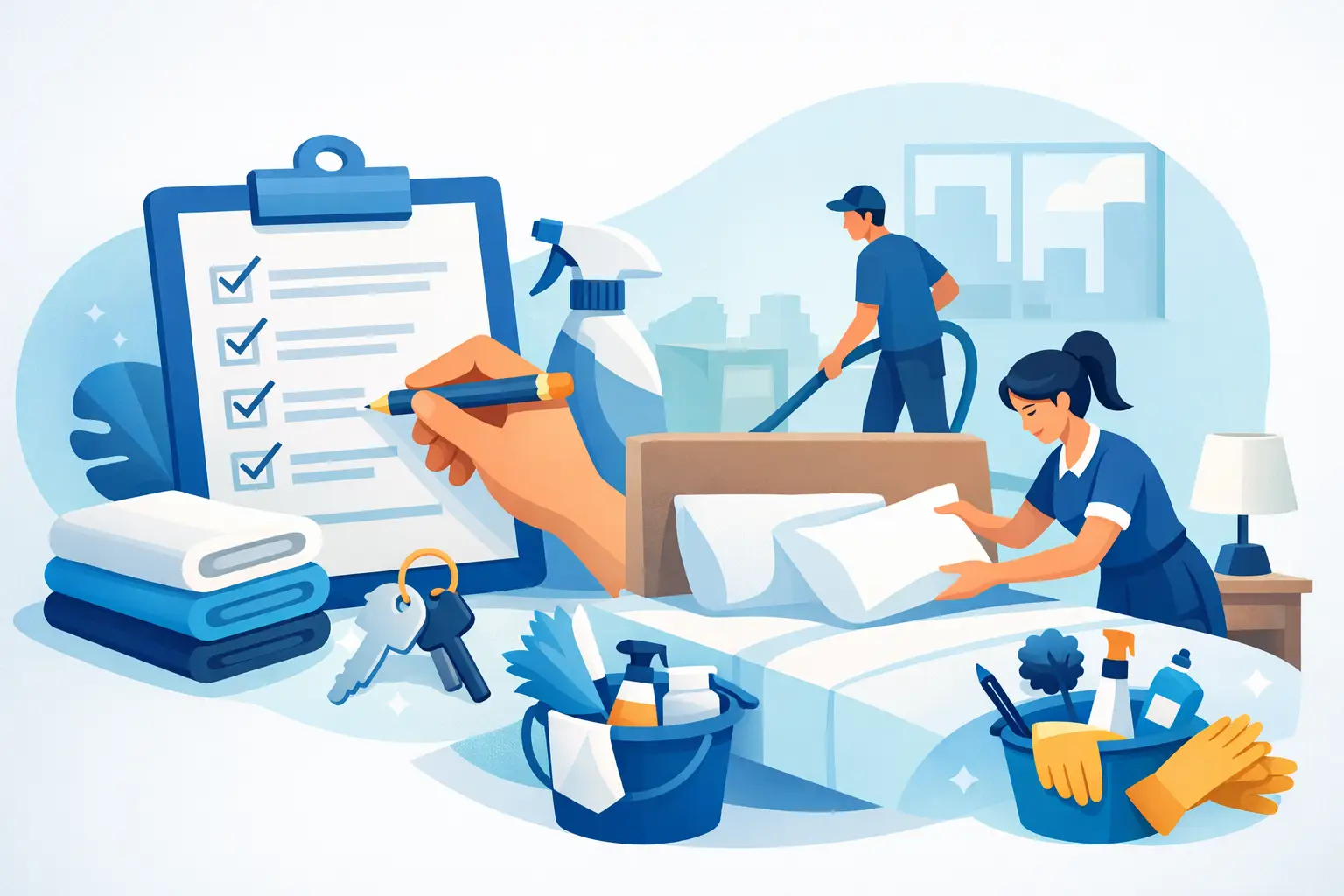
For day-to-day use, the most reliable short let cleaning checklist should cover the same core tasks every time:
- Remove rubbish, strip beds and collect used towels
- Open windows where suitable and check for obvious damage or maintenance issues
- Clean and sanitise kitchen surfaces, sink, appliances, cupboard fronts and handles
- Empty and refresh bins throughout the property
- Clean and sanitise toilets, basins, showers, baths, mirrors and bathroom floors
- Replace toiletries, toilet rolls and fresh towels
- Change bed linen and check mattress protectors and pillows
- Dust and wipe all key surfaces, switches, handles and remotes
- Vacuum soft furnishings, carpets, rugs and under beds where accessible
- Mop hard floors and check corners, edges and entry points
- Restock essentials and return furniture and décor to the correct position
- Carry out a final presentation and smell check before locking up
The exact list may vary slightly by property. A city flat used mainly for business stays will not have the same demands as a family holiday house with children, pets or outdoor areas. That is why the best checklists are standardised but flexible.
When to use a professional cleaning team
Some hosts manage their own changeovers successfully, especially with one property and generous gaps between bookings. But once occupancy rises or multiple lets need servicing, the pressure increases quickly. Laundry timing, stock replenishment, access coordination and quality control all need managing alongside the clean itself.
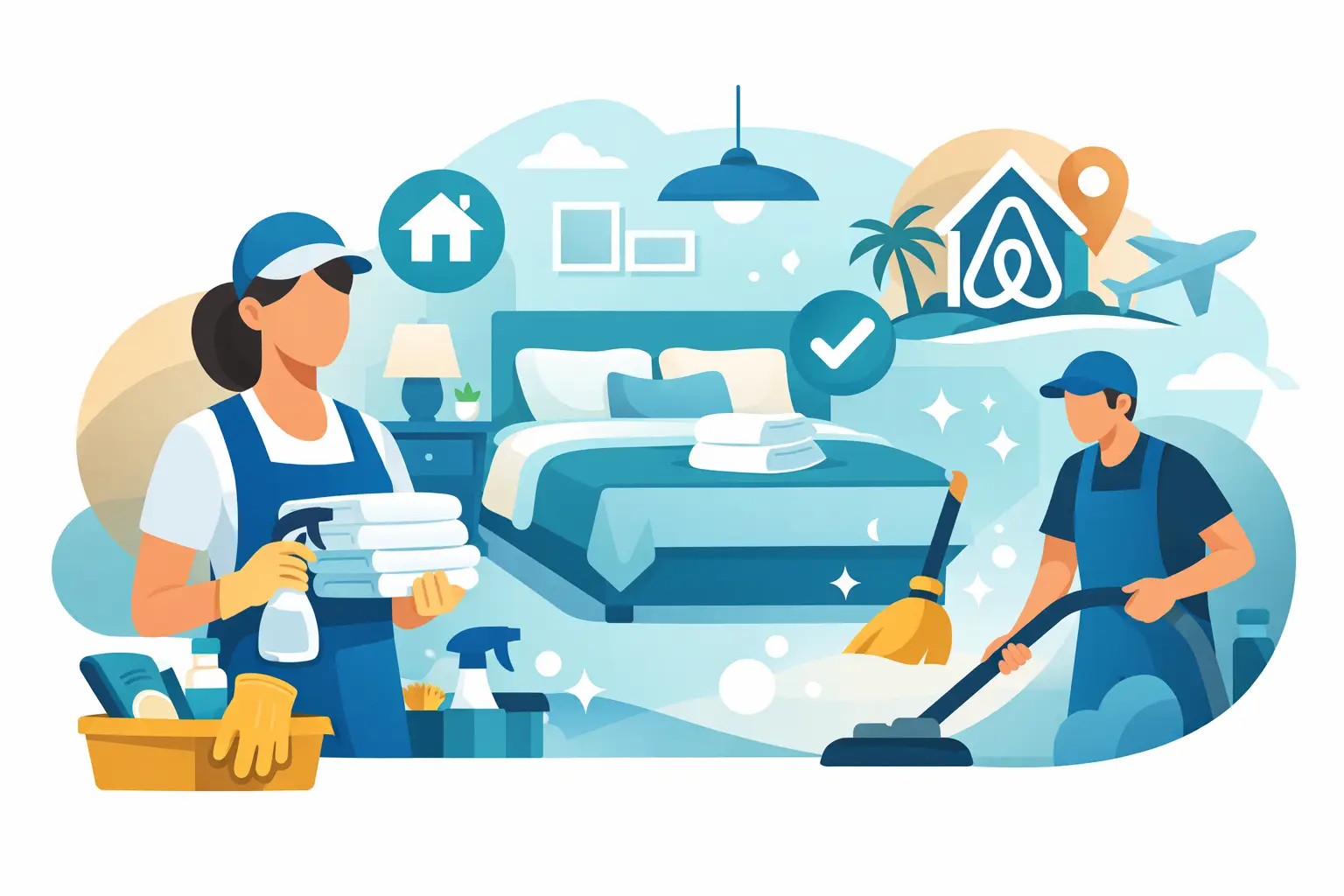
That is often where a professional team becomes the practical choice. A reliable local service can bring the equipment, products and routine needed to complete turnarounds properly and consistently. For busy hosts and property managers, that reduces stress and lowers the risk of missed details during tight handovers. For example, Bedeen Cleaning Services supports short-let and Airbnb changeovers with the same straightforward focus most landlords want - thorough work, dependable timing and a property that is ready for the next guest.
A strong checklist is still useful even when you outsource. It sets the standard, keeps expectations clear and helps everyone work to the same result.
The real test of any short-let clean is simple: would a new guest walk in, put their bags down and feel comfortable straight away? If the answer is yes, your process is doing its job.