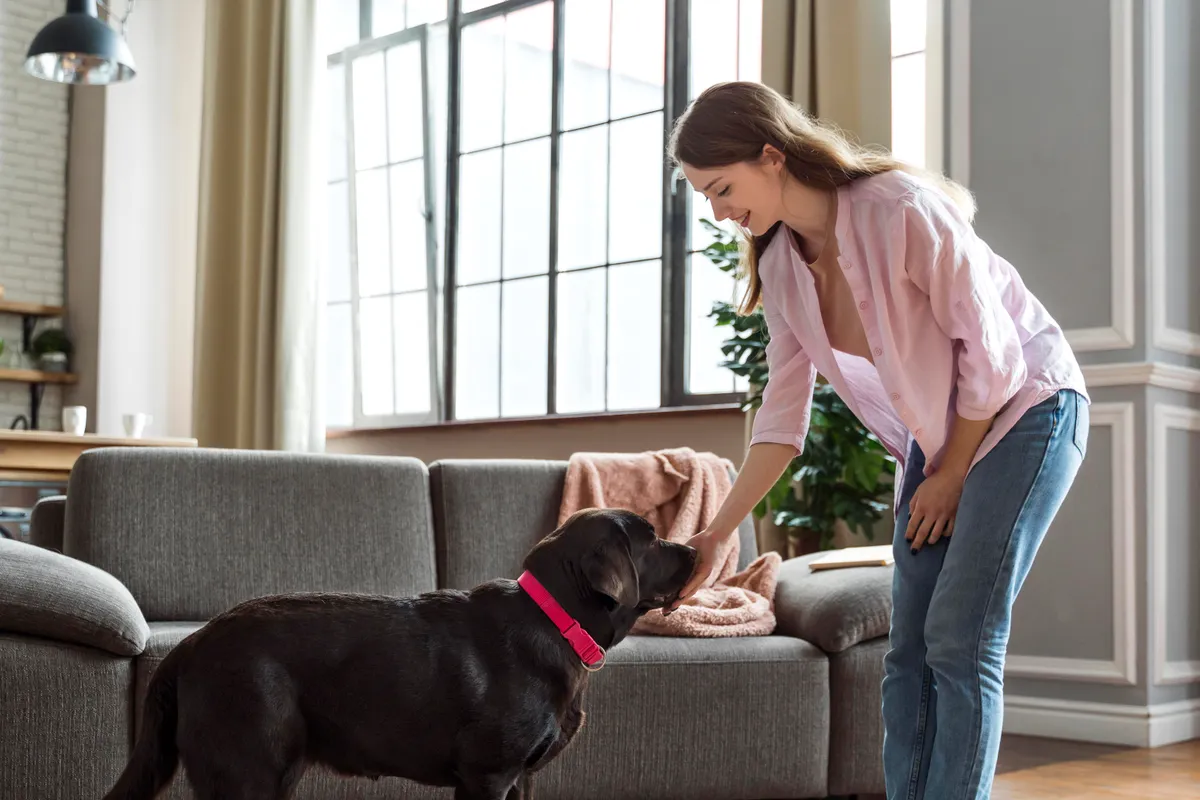
Regular home cleaning with pets works best when the task list reflects where the animals actually spend time. Hair, tracked-in dirt and feeding areas may need more attention, while a nervous pet may need a quiet room during the visit. A useful plan names the priority areas and makes access safe for both the household and cleaner.
Map the places pets use most
Note sleeping spots, sofas, rugs, stairways, doorways and the route to the garden. A dog that comes in from wet walks may create a different cleaning pattern from an indoor cat. Decide which rooms and surfaces are part of the regular clean rather than asking for a vague "pet-friendly" service.
Identify soft furnishings and carpets separately from hard floors. Vacuuming during a routine home visit is not the same as a separately booked carpet cleaning service. If there is a persistent stain or odour, describe it before booking so the scope and likely limits can be discussed.
Set an animal plan for the appointment
Tell the cleaner if a pet is likely to escape through an open door, reacts to a vacuum or should not be approached. Decide whether the animal will stay in a separate room, with a family member or outside the property during the visit. Give clear instructions about doors, gates and rooms that must stay closed.
The plan should suit the animal. A crate or closed room is not automatically appropriate for every pet. If a cleaner needs access to the pet's usual room, agree the order of work so the animal can be moved calmly. Leave a contact number in case the arrangement changes on the day.
Discuss products and belongings
Share known sensitivities, surface restrictions and any product instructions relevant to the home. Avoid assuming that a general "pet-safe" label covers every animal or situation. The provider should explain the products it plans to use, and the household should follow the product directions for when an area can be used again.
Move toys, leads and small items away from floors to be cleaned. Agree whether bowls, feeding mats, pet bedding, litter areas or the inside of a crate are included. These tasks may need a different approach from ordinary floors and counters, and some items may be better handled by the owner.
Choose a frequency based on what happens between visits
Start with the rooms that become soiled fastest and the time the household can realistically prepare before each clean. Seasonal shedding, muddy walks or a change in the number of pets can alter the workload. A fixed schedule should be reviewed after two or three visits rather than treated as permanent.
Write down which tasks happen every visit and which can be periodic. For example, entrance floors and feeding areas may need regular attention, while a deeper clean of upholstery may be separate. If the available visit time is limited, set priorities so the cleaner is not asked to cover more than can reasonably be completed.
Review the plan with the household and cleaner
After a few visits, ask which areas still collect hair or dirt and whether the pet arrangement is working. Update the task list when a new animal arrives, rooms change use or a pet becomes anxious about equipment. A small, written revision makes expectations clearer than a series of verbal additions.
If the pet cannot be separated safely
Tell the cleaner before the visit rather than trying to manage the issue at the door. The household may be able to schedule the visit while the animal is on a walk or with someone else, or change the order of rooms so the pet remains in a familiar space. The arrangement should be comfortable for the animal and workable for the cleaner.
If a room cannot be entered because of the pet, record it as an access limit and decide whether it should be completed later. Do not mark a blocked room as cleaned. For a new pet or a change in behaviour, revisit the plan before the next appointment rather than relying on instructions that no longer fit.
Example of a pet-aware visit note
A household might write: "The dog will be with a family member during the visit. Please start with the living room rug and entrance floor; the cat will remain in the upstairs bedroom, which is excluded today. Vacuuming the sofa is included, but the pet bed will be washed by the owner. Call before opening the garden door." This gives the cleaner a clear order and boundary.
The note should change when the animals' routine changes. A new pet, injury or move to another room may make last month's access plan unsuitable, even if the regular cleaning tasks stay the same.
- Identify high-hair, feeding and wet-entry areas.
- Separate routine vacuuming from specialist carpet work.
- Agree where each pet will be during the visit.
- Share product restrictions and delicate surfaces.
- Name pet items that are included or excluded.
- Review the priorities after the first few cleans.
For a wider household arrangement, see Bedeen's home cleaning service and the home cleaning booking guide. This article focuses on the pet-specific decisions to add to that general plan.