
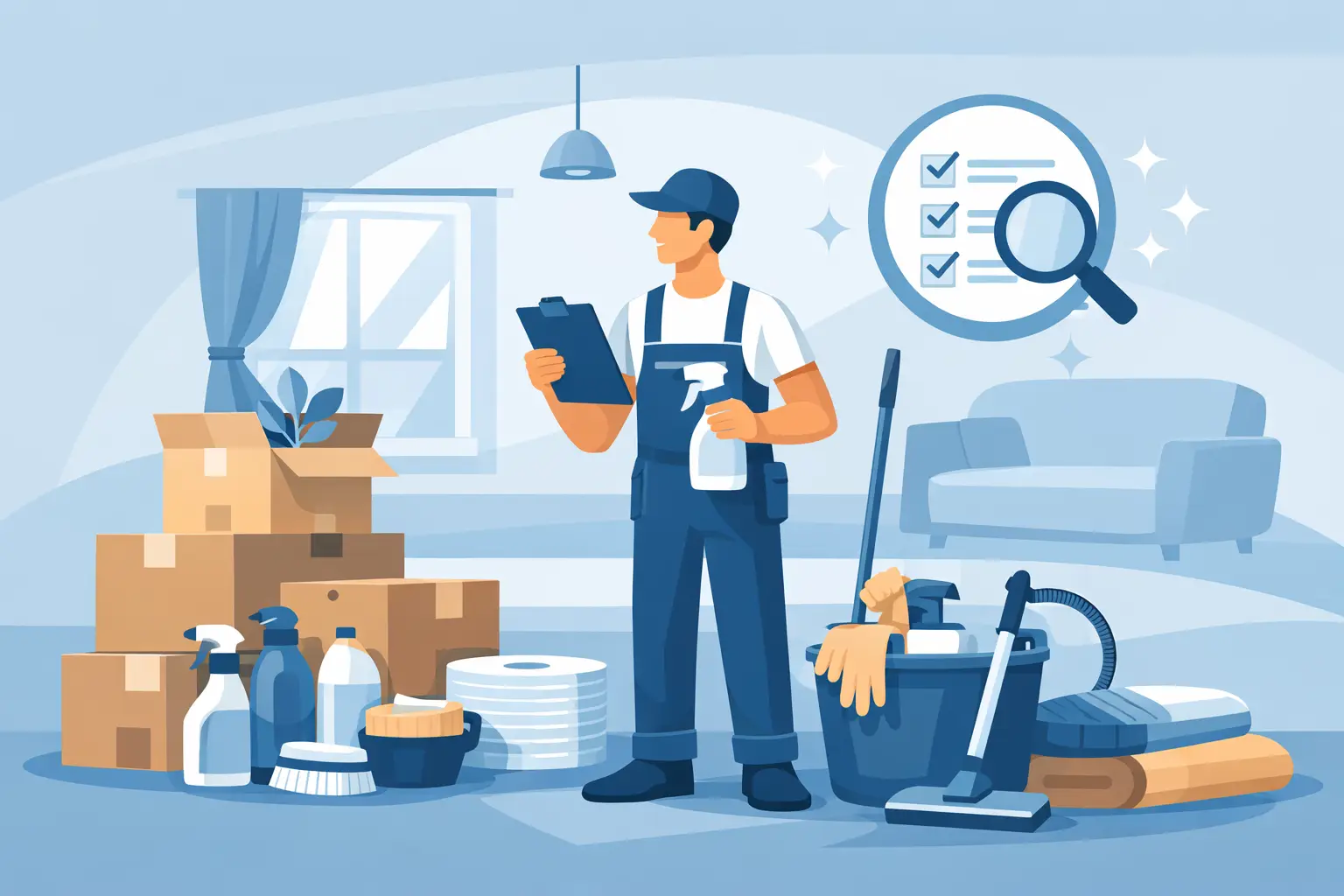
Moving day has a habit of making everything feel urgent at once. Boxes are piled up, paperwork needs signing, keys are due back, and then the final clean suddenly becomes the job that decides whether the property looks well cared for or rushed. If you are wondering how to prepare for end of tenancy cleaning, the best approach is to start earlier than you think and treat it as part of the move, not an afterthought.
A proper end of tenancy clean is not just about making a place look tidy. It is about leaving the property in a condition that stands up to inspection by a landlord, letting agent or incoming tenant. That means planning the order of jobs, clearing access to every room, and knowing which tasks usually take longer than expected.
Why preparation matters before the clean
The cleaning itself is only one part of the job. Preparation makes the difference between a straightforward service and a rushed, more expensive, or less thorough visit. If cleaners arrive and the property is still half packed, cupboards are full, or appliances cannot be reached, valuable time is lost before any real cleaning starts.
For tenants, good preparation can help avoid disputes over condition. For landlords and property managers, it keeps changeovers on schedule. For Airbnb and short-let operators, it helps maintain standards when there is limited time between occupants. In all cases, access, timing and clear expectations matter just as much as the cleaning products used.
How to prepare for end of tenancy cleaning before the moving date
The simplest way to reduce stress is to work backwards from your key handover date. If possible, aim to have the property empty before the clean takes place. Cleaning around furniture, bags and leftover items is slower and rarely gives the same result as working in an empty space.
Start by sorting what is staying, what is going with you, and what needs to be disposed of. This sounds obvious, but many end of tenancy cleans are delayed by small items left in wardrobes, kitchen cupboards, sheds or loft access points. Once these are gone, the whole property is easier to assess properly.
It is also worth checking your tenancy agreement or inventory report. Some landlords or agents pay particular attention to areas such as ovens, extractor fans, limescale in bathrooms, internal windows or carpets. Knowing where scrutiny is likely to fall helps you prepare more realistically.
Empty the property properly
An end of tenancy clean works best in an empty property. That includes more than just removing the main furniture. It means emptying drawers, cabinets, fridges, freezers and under-stair storage, and making sure balconies, garages or utility areas are not overlooked.
If anything has to remain, make a note of it in advance and ensure there is clear access around it. A cleaner can work around fixed white goods and built-in fittings, but loose items on floors and surfaces slow everything down. If rubbish has built up during the move, remove that before the cleaning date as well. Cleaning teams should be focused on cleaning, not waste clearance unless that has been arranged separately.
Defrost appliances and disconnect what needs attention
Kitchen appliances are often where tenancies are judged hardest. Ovens, hobs, extractor fans, fridges and freezers collect grease, burnt-on food and hidden grime over time. If the fridge or freezer needs cleaning inside, it should be switched off and defrosted beforehand unless you have agreed otherwise.
This is one of the most common oversights. A freezer full of ice cannot be cleaned properly on the day without wasting hours waiting for it to thaw. The same goes for washing machines or dishwashers with standing water inside. Empty them, run off any remaining water if needed, and leave doors open so they can dry.
Check what needs repair and what needs cleaning
Cleaning and maintenance are not the same thing, and problems arise when one is expected to solve the other. A stained wall may need redecorating rather than washing. Mould caused by a leak may need attention from a contractor before any cleaner arrives. Broken blinds, cracked tiles or damaged sealant can all affect how the property is assessed, even if the rest is spotless.
Before booking or carrying out the clean, walk through each room and separate cleaning issues from repair issues. This helps avoid unrealistic expectations and gives you time to deal with maintenance matters properly.
Focus on the areas most often checked
Every room matters, but some areas are nearly always inspected more closely than others. Kitchens and bathrooms tend to be the biggest talking points because grease, limescale and hygiene issues show quickly. Skirting boards, internal glass, light switches, door handles and flooring are also regularly noticed because they reflect overall attention to detail.
In the kitchen, make sure cupboards are emptied so both the inside and outside can be cleaned. Pull smaller appliances away if they belong to you and are being taken out. In bathrooms, remove toiletries, bath mats and anything stored behind the toilet or under the basin. Around the home, take down posters, check for adhesive marks, and clear window sills so nothing is missed.
If carpets or upholstery need extra work, plan for it
Not every property needs specialist carpet cleaning, but many do. It depends on the tenancy agreement, the condition of the flooring and whether there are stains, pet odours or heavy wear. The key point is to decide this early rather than assuming a general clean will cover everything.
The same applies to upholstery if furnished accommodation is involved. Surface vacuuming may not be enough where there are marks or embedded dust. For landlords and agents managing changeovers, combining carpet cleaning with the main tenancy clean can save time and make access easier.
Make access simple on the day
A well-prepared property can still cause delays if access is awkward. Confirm who will open the property, where parking is available, whether there are any entry codes, and what time the clean needs to be completed by. In flats or managed buildings, it is sensible to check lift access and any restrictions on contractor arrival times.
Utilities should still be on if possible, especially water and electricity. Without them, cleaning standards are harder to maintain. Hot water is particularly useful for kitchens and bathrooms, and power is needed for equipment in many cases.
If you are using a professional service, clear communication matters. Let them know the size of the property, whether it is furnished or unfurnished, and if there are any specific concerns such as pet hair, heavy limescale, stained ovens or neglected areas. A dependable local company such as Bedeen Cleaning Services will always do a better job when the scope is clear from the start.
Decide whether to do it yourself or book a professional clean
This usually comes down to time, condition and expectations. A small, well-kept flat with minimal wear may be manageable if you have the time and equipment. A larger property, or one where the kitchen and bathroom need serious attention, is often better handled professionally.
There is also the question of standards. End of tenancy cleaning is more detailed than ordinary weekly cleaning. It tends to include areas people skip during day-to-day upkeep, such as behind appliances, inside cupboards, tops of doors, descaling fixtures and deep oven cleaning. If your move is already tightly scheduled, doing all of that yourself can be unrealistic.
The trade-off is cost versus time and certainty. A professional clean is an added expense, but it can reduce pressure and help present the property consistently. For landlords, agents and short-let managers, it also helps keep turnaround times reliable.
A final check before handover
Once the cleaning is finished, do one last walkthrough while the property is still empty. Open cupboards, check inside the oven, look at mirrors and taps in natural light, and make sure no rubbish, cleaning cloths or personal items have been left behind. Flush toilets, run taps briefly and check floors for footprints if anyone has been in after the clean.
It is also sensible to take dated photographs of each room once the property is ready. That gives tenants, landlords and managers a clear record of condition at handover and can help if any questions come up later.
Preparing properly for an end of tenancy clean is really about making the final stage of a move less chaotic. Clear the property, plan ahead, deal with repairs separately, and give the cleaning the space and time it needs. A well-prepared clean does not just leave the place looking better - it makes the whole handover feel more straightforward and professional.