A tidy office says a lot before anyone speaks. Clients notice dusty skirting boards, marked glass doors and overflowing bins almost straight away. Staff notice them too, especially when kitchens, desks and washrooms are not being kept to a proper standard. That is why many businesses ask the same question: what is commercial office cleaning, and what does it actually include?
Commercial office cleaning is the professional cleaning of office spaces on a one-off or recurring basis. It covers the routine tasks needed to keep a workplace clean, hygienic, presentable and workable for the people using it every day. That usually means more than a quick vacuum and a wipe of visible surfaces. A proper service is planned around the size of the office, how many people use it, the type of work carried out there, and which areas need the most attention.
What is commercial office cleaning in practice?
In practical terms, commercial office cleaning is a structured service designed for working environments rather than homes. The goal is not only to make the office look clean, but to keep shared spaces sanitary, reduce dust and grime build-up, and help the premises stay ready for staff, customers and visitors.
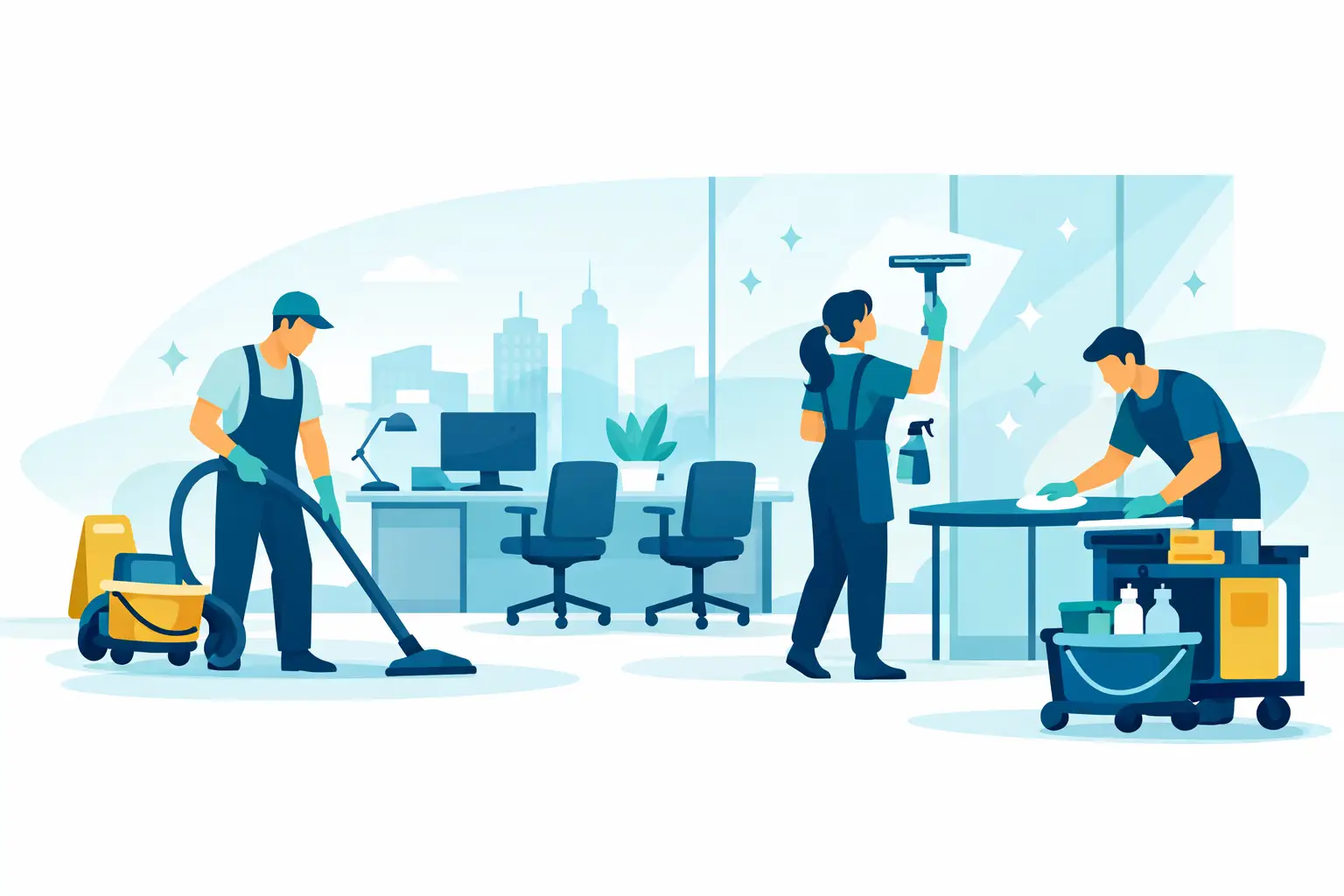
Most offices need regular attention in reception areas, desks, meeting rooms, kitchens and toilets. Floors need vacuuming or mopping, bins need emptying, surfaces need sanitising, and touchpoints such as door handles, switches and shared equipment often need more frequent cleaning than people expect. In busier workplaces, these jobs may be carried out daily. In smaller or quieter offices, a few visits each week may be enough.
The commercial part matters because office cleaning has to fit around business operations. That includes working to agreed times, using appropriate products, following site requirements, and delivering a consistent result without disrupting the working day.
What is included in a commercial office cleaning service?
The exact scope depends on the building and how it is used, but most services cover the core areas that affect hygiene and presentation.
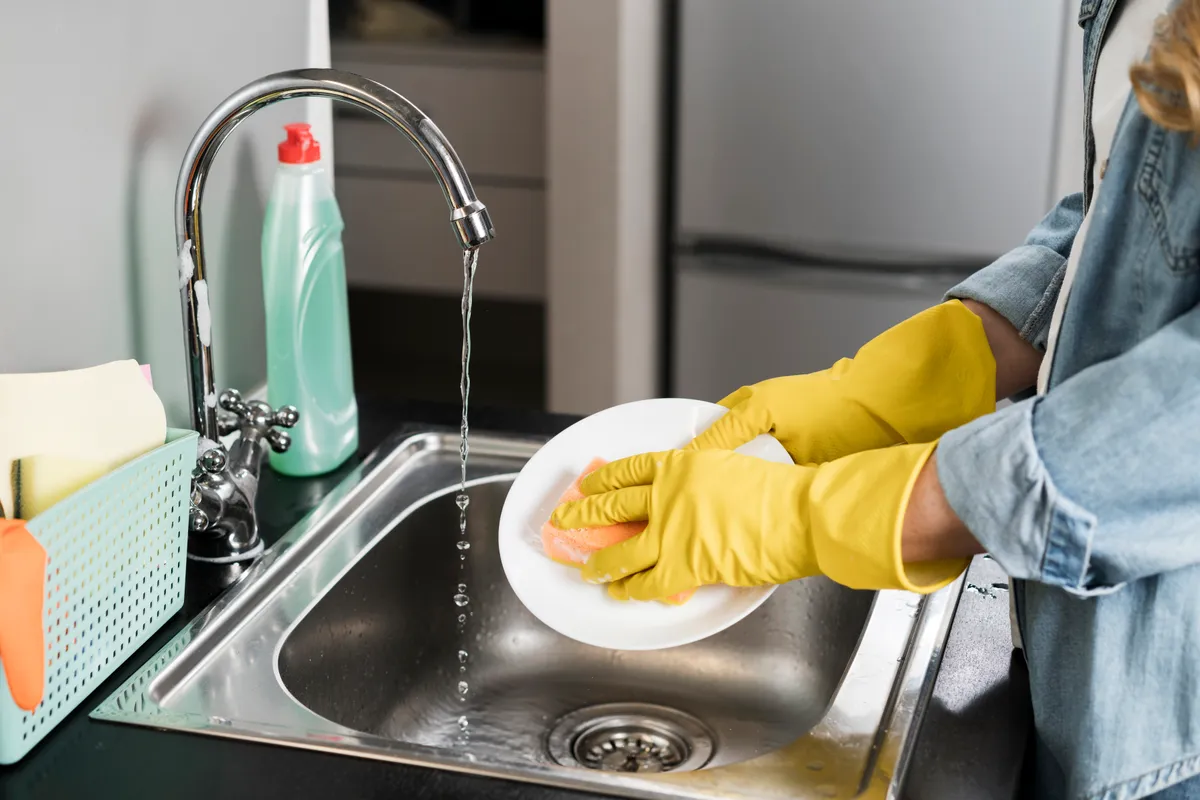
General cleaning usually includes vacuuming carpets, mopping hard floors, dusting desks and accessible surfaces, wiping skirting boards, cleaning internal glass, emptying bins and replacing liners. Kitchens and tea points are often cleaned with extra care because they collect grease, crumbs and bacteria quickly. That means wiping worktops, cleaning sinks, sanitising cupboard fronts and dealing with spills before they become stains or odours.
Washroom cleaning is another essential part of the service. Toilets, basins, taps, mirrors and floors need regular cleaning and sanitising, and consumables such as soap, hand towels and toilet roll may also be checked or replenished depending on the agreement.
Some businesses also need deeper or more specialised cleaning alongside routine visits. That can include carpet cleaning, window cleaning, deep kitchen cleaning or periodic disinfection of high-contact areas. Offices in shared buildings, medical settings or customer-facing spaces often have more specific standards to maintain.
Routine cleaning versus deep cleaning
This is where some confusion comes in. Routine office cleaning is the regular upkeep that keeps the workplace in order week by week. Deep cleaning goes further. It deals with the build-up that routine visits cannot always tackle in full, especially in hard-to-reach areas or spaces that have seen heavy use.
For example, a routine clean may keep floors, desks and toilets in good condition, while a deep clean may focus on carpet extraction, high-level dusting, detailed sanitising of kitchens, internal window work or the treatment of neglected corners and fittings. Neither replaces the other completely. It depends on the condition of the office and how consistently it has been maintained.
If an office is already cleaned well on a regular schedule, deep cleaning may only be needed occasionally. If cleaning has been inconsistent, a deep clean can help reset the space before a regular plan starts.
Why businesses use professional office cleaning
The most obvious reason is appearance. A clean office helps create a better impression for clients, visitors and anyone attending meetings on site. It shows that the business is organised and takes its environment seriously.
But appearance is only part of it. Clean offices are also more comfortable to work in. Dust, dirty floors, unpleasant smells and poorly maintained washrooms affect staff morale more than many businesses realise. Shared spaces can become unhygienic quickly, especially kitchens and toilets, and that can lead to avoidable complaints.
There is also the practical side. Asking staff to handle cleaning on top of their normal duties rarely works well. Standards slip, responsibilities become unclear, and jobs are done only when someone has time. A professional service gives the business a set routine, proper equipment and a clear expectation of what will be cleaned and when.
How often should an office be cleaned?
There is no single answer because usage varies so much. A small office with a handful of staff and limited footfall may only need cleaning a few times each week. A larger office with daily visitors, shared meeting rooms and busy washrooms may need daily cleaning, or even multiple visits for certain areas.
The best schedule depends on foot traffic, layout, flooring, the number of toilets and kitchen areas, and whether the office receives customers on site. Seasonal changes can affect this too. Wet weather often means more dirt brought in on shoes, while winter illness periods can make touchpoint hygiene more important.
A sensible cleaning plan balances budget with the actual needs of the premises. Cutting visits too far can be a false economy if the office starts to look tired, smells unpleasant or needs more expensive restorative work later.
What to look for in a commercial office cleaning provider
Reliability matters as much as the cleaning itself. Businesses need a provider that turns up as agreed, works thoroughly and can adapt if the office layout, usage or schedule changes.
It also helps to choose a company that supplies its own equipment and cleaning products, including safe and eco-friendly options where needed. That saves time for the client and helps keep the service straightforward. For offices with particular requirements, such as surgeries, schools or managed buildings, experience across different environments is useful because the standard approach may not be enough.
Good communication is another sign of a dependable service. If there is a problem area, a change in access times or a one-off request before an important meeting or handover, the cleaning provider should be easy to deal with and clear about what can be done.
What commercial office cleaning is not
It is not simply a cleaner coming in for a quick tidy. A professional office cleaning service is planned around hygiene, consistency and the day-to-day needs of a working premises.
It is also not always the same from one business to the next. A small private office, a busy call centre, a shared serviced office and an admin area attached to a retail unit all have different demands. The right service reflects those differences instead of applying a standard checklist that misses the real issues.
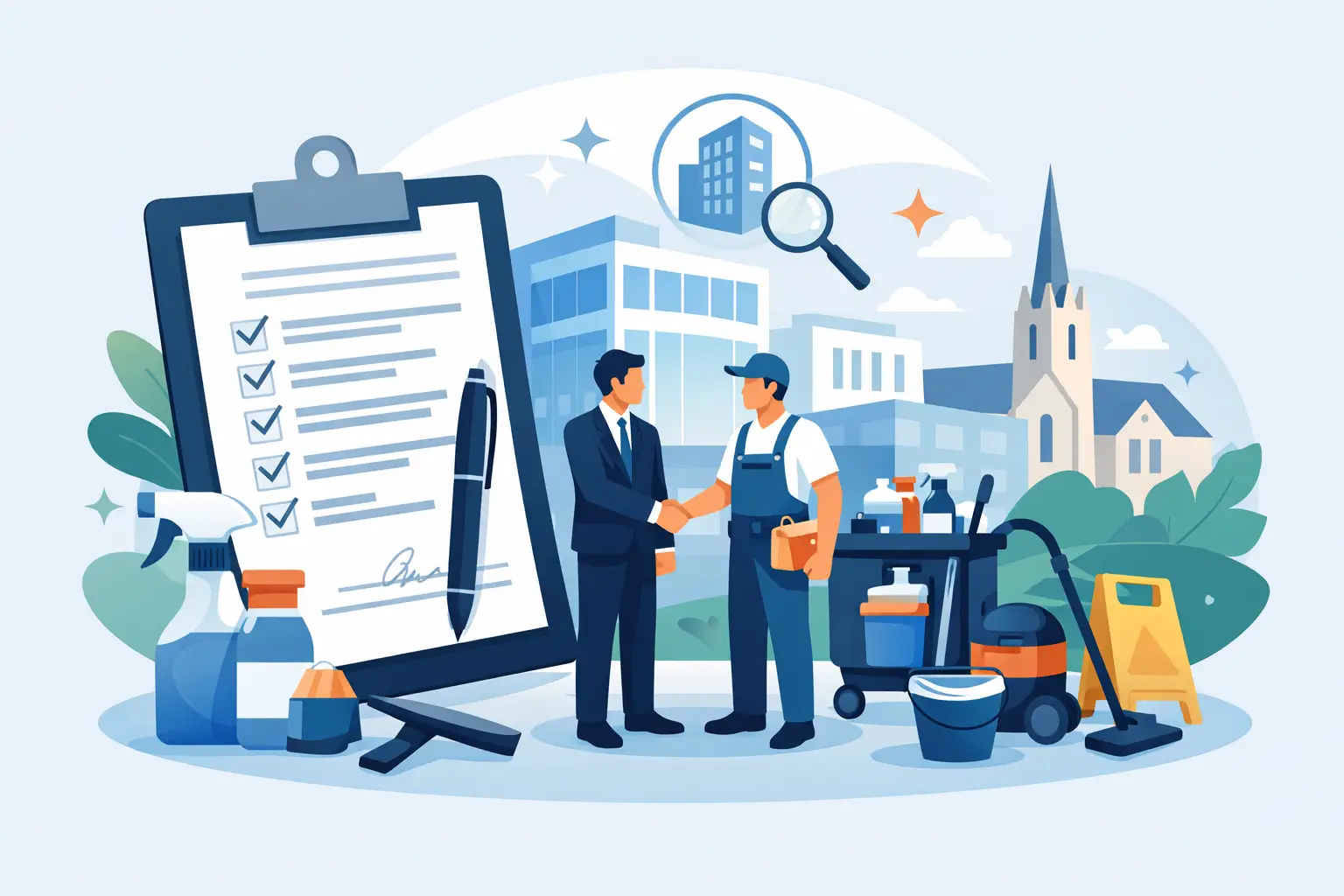
That is why site visits and tailored quotes are often part of the process. They help define what needs cleaning, how often it should be done, and whether any specialist work is required alongside the routine service.
Is commercial office cleaning worth it for smaller businesses?
Yes, in many cases it is. Smaller offices sometimes assume professional cleaning is only for larger companies, but that is not really how it works. Even a modest office can suffer from dirty flooring, neglected washrooms and untidy shared spaces if there is no clear cleaning routine in place.
For smaller teams, outsourcing cleaning can be a practical way to keep standards up without putting the burden on staff. It also gives the business flexibility. Some only need a regular weekly clean, while others combine routine visits with occasional deep cleaning or carpet cleaning when required.
Local providers are often well placed to support this because the service can be shaped around the premises rather than forced into a rigid contract. For businesses in and around Ipswich, that kind of practical support is often what makes the difference between a workplace that is just getting by and one that feels properly looked after.
Commercial office cleaning is, at its core, about keeping a business environment clean, safe and ready for use without adding extra pressure to the people working there. When the service is matched properly to the building, it does more than improve appearance. It helps the office run better, day after day, with less hassle and fewer things being left until they become a problem.