A desk can look tidy at 9am and still hide a week’s worth of dust, fingerprints, crumbs and bacteria. That is usually the point when businesses start asking what is included in office cleaning, because a proper service goes well beyond a quick vacuum and emptying the bins.
The short answer is that office cleaning usually covers routine cleaning of work areas, kitchens, toilets, floors, touchpoints and communal spaces. The longer answer is that the exact scope depends on the size of the office, the number of staff, the type of visitors you receive, and whether you need a regular maintenance clean or something more detailed. Knowing the difference helps you avoid gaps, complaints and wasted time.
What is included in office cleaning as standard?
For most offices, standard cleaning is designed to keep the workplace presentable, hygienic and ready for daily use. It focuses on the areas that build up visible dirt quickly and the surfaces people touch every day.
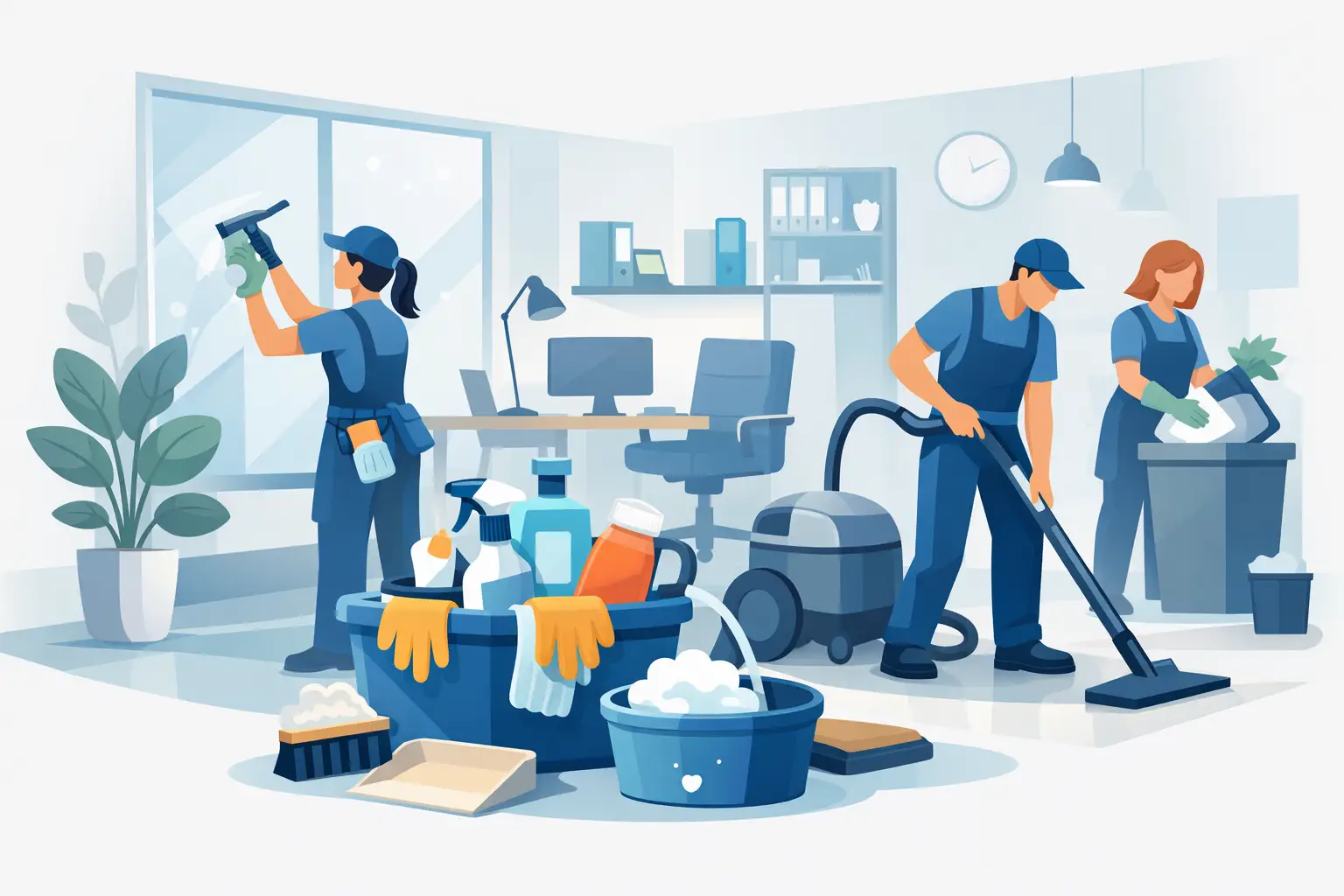
In a typical office, this means bins are emptied and liners replaced, desks and accessible surfaces are wiped, floors are vacuumed or mopped, and kitchens and toilets are cleaned and sanitised. Door handles, light switches and other contact points may also be disinfected, especially in shared workplaces where germs spread easily.
Reception areas, meeting rooms and corridors are usually part of the routine as well. These spaces shape first impressions, so they tend to need consistent attention. If clients, suppliers or visitors come through the building regularly, keeping these areas clean is not just about appearance. It also affects how professional the business feels.
Standard office cleaning often includes dusting low-level surfaces, removing marks from internal glass where practical, and straightening obvious mess left in shared areas. It does not usually mean tidying paperwork, moving confidential documents or rearranging staff belongings. A cleaning team can clean around a workspace, but there are sensible limits where privacy and security are involved.
Workstations and shared office areas
Desks, chairs, skirting boards, telephones and computer surrounds can all collect dust surprisingly fast. In most routine contracts, cleaners will wipe the surfaces they can safely reach without disturbing equipment or paperwork. That means the visible top of a desk may be cleaned, while underneath piles of files or behind multiple monitor cables may need a more detailed visit.
Open-plan offices also need attention on the floor. Carpeted areas are usually vacuumed, while hard floors are swept and mopped. If people move between outside and inside throughout the day, entrances and walkways may need more frequent cleaning than private offices or back rooms.
Shared equipment areas are another common inclusion. Printer stations, internal windowsills, filing cabinet tops and meeting tables are all high-use surfaces. If they are ignored, an office can look tired even when the rest of the building is technically clean.
Kitchens, break rooms and staff welfare spaces
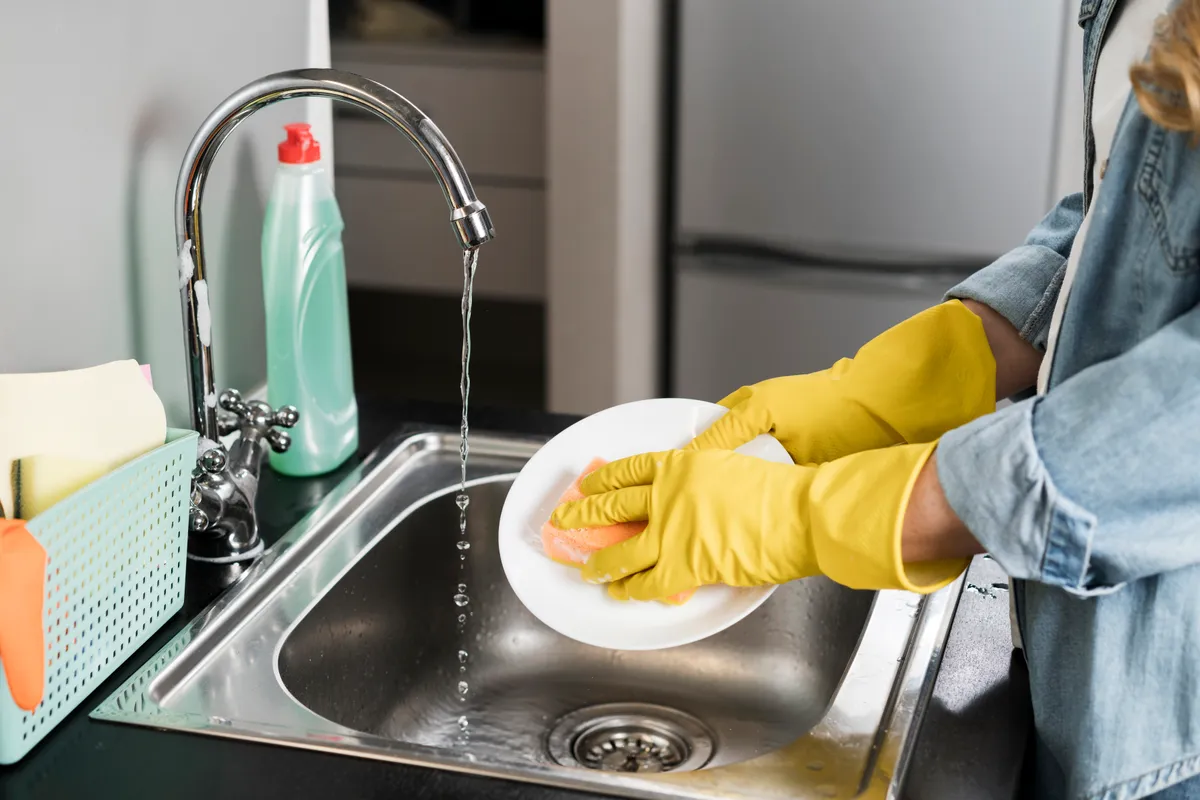
Kitchen cleaning is a key part of most office contracts because these spaces become messy quickly. Sinks are cleaned, taps are polished, worktops are wiped down and cupboard fronts are spot-cleaned. Appliance exteriors such as microwaves, fridges and kettles are often wiped as part of routine service.
What is not always included is deep cleaning inside those appliances. For example, cleaning the inside of a staff fridge full of food or removing baked-on residue from a microwave may be treated as an extra if it has not been maintained. The same applies to heavy limescale build-up or old spillages that have been left for weeks.
Tables and chairs in break rooms are usually cleaned, and the floor is vacuumed or mopped. If your team eats lunch at their desks, though, crumbs and drink spills may spread well beyond the kitchen. That often means the cleaning plan needs to reflect how the office is really used, not just how it looks on a floor plan.
Toilets and washrooms
Washroom cleaning is one of the most important parts of any office service. Toilets, urinals, sinks, taps, mirrors and dispensers are normally cleaned and sanitised during each visit. Floors are mopped, bins are emptied and obvious marks are removed from doors, partitions and tiled surfaces.
Depending on the agreement, consumables may also be checked and replenished. That can include toilet roll, hand soap, paper towels and sanitary bags. Some businesses supply these items themselves, while others ask the cleaning company to manage them.
The standard required in washrooms is often higher than in the rest of the office for good reason. If washrooms are neglected, staff notice quickly and visitors do too. In some workplaces, they are the clearest sign of whether the whole building is being looked after properly.
Floors, carpets and entrance areas
Floor care is usually at the centre of office cleaning because it affects both hygiene and appearance. Daily or regular work often includes vacuuming carpets, mopping hard floors, cleaning around desks and keeping entrance areas free of tracked-in dirt.
That said, routine cleaning and specialist floor care are not the same thing. A regular clean helps maintain carpets and hard surfaces, but it will not remove every stain or restore worn flooring. Deep carpet cleaning, machine scrubbing, buffing and floor stripping are generally separate services.
This is where expectations matter. If an office manager is expecting a weekly clean to deal with old carpet stains, heel scuffs and ingrained dirt, there may be disappointment unless those tasks have been specifically agreed. A good service plan should be clear about what is maintenance cleaning and what is occasional restorative work.
What may not be included in office cleaning
This is where confusion often starts. Many people assume office cleaning means everything in the building gets cleaned every time. In practice, some tasks sit outside the standard scope and are priced separately.
High-level cleaning is a common example. Light fittings, ceiling vents, tops of tall cupboards and other difficult-to-reach areas may require specialist equipment or extra time. Internal and external window cleaning can also fall outside routine office cleaning, particularly for upper floors or large glazed areas.
Deep cleaning of upholstery, carpet stain treatment, computer keyboard detailing, washroom descaling, internal fridge cleans and builders’ cleans are often additional services rather than standard inclusions. So are consumable supply, feminine hygiene units and hazardous waste disposal.
There can also be site-specific exclusions. Medical rooms, food preparation spaces, server rooms or secure document areas may need specialist handling, limited access protocols or more detailed risk control. In these cases, cleaning is still possible, but the method and cost need to reflect the environment.
How often should office cleaning be done?
There is no single answer that suits every workplace. A small office with a handful of staff may only need cleaning two or three times a week. A busy office with meeting rooms, shared toilets, a kitchen and regular footfall may need daily visits.
The right frequency depends on how many people use the building, whether clients visit, the type of flooring, and how quickly washrooms and kitchens become untidy. Hybrid working can change things too. If the office is packed on certain days and quiet on others, the cleaning schedule may need to follow that pattern rather than sticking to the same plan all week.
It is often more cost-effective to match the cleaning schedule to actual use. Too little cleaning creates hygiene problems and complaints. Too much can mean paying for hours you do not really need.
Choosing a service that fits your office
The most useful starting point is not a price list. It is a clear look at how your workplace functions. Think about where people gather, where dirt builds up first, which areas clients see, and what would cause the biggest problem if it were missed.
A practical cleaning schedule should separate daily priorities from less frequent tasks. For example, toilets, kitchens, bins and touchpoints may need regular attention, while inside cupboards, skirting boards, internal glass and deep carpet work can be scheduled less often.
This is where working with a dependable local company helps. A provider such as Bedeen Cleaning Services can tailor office cleaning around the building, the hours you need and the standard you want to maintain, while bringing the equipment and products needed to do the job properly.
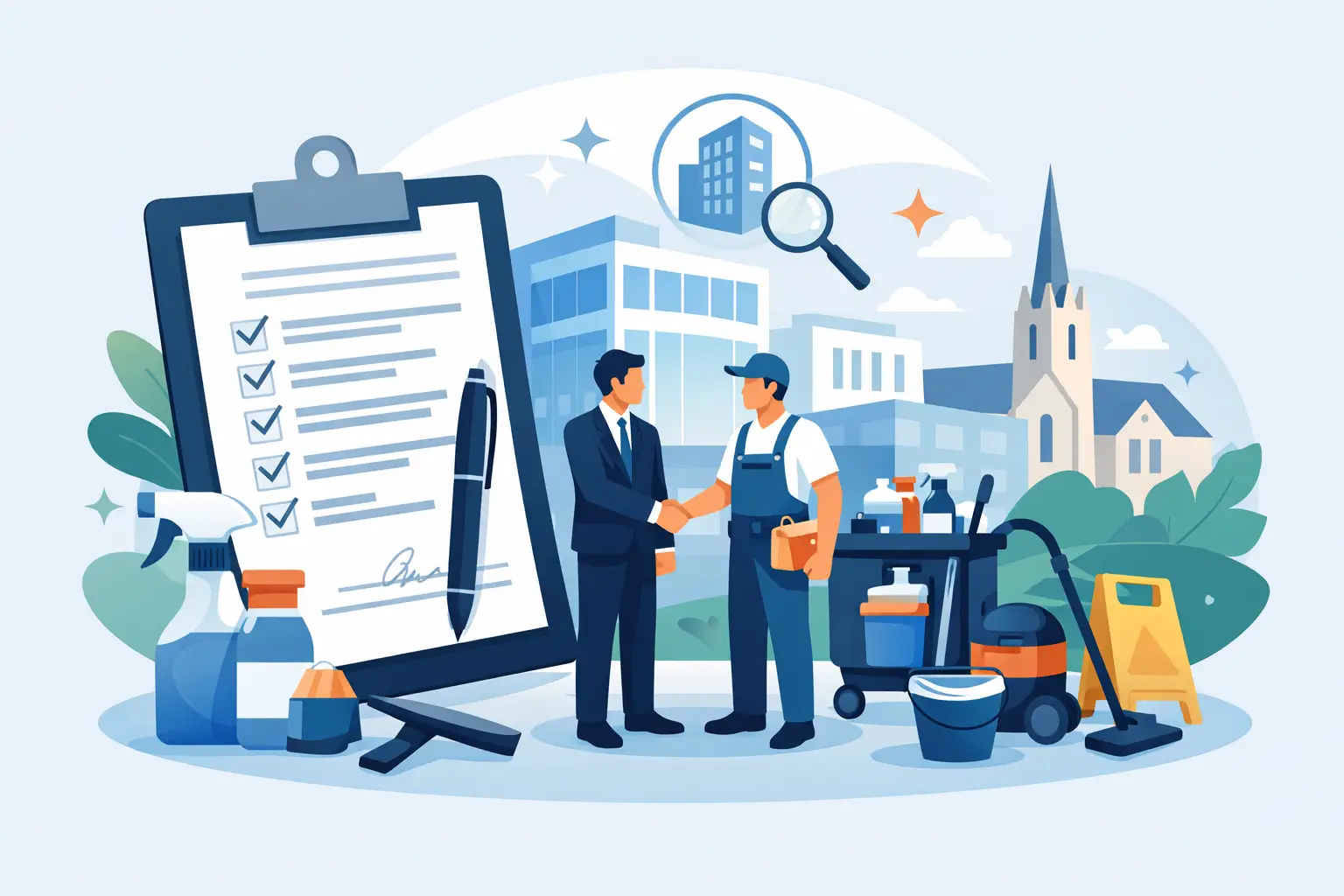
If you are comparing quotes, ask what is included, what is excluded, and how additional work is priced. That avoids the common problem of one quote looking cheaper simply because key tasks have been left out.
A clean office should not be a guessing game. When the scope is clear from the start, staff know what to expect, visitors see a well-kept workplace, and the business can get on with its day without chasing missed jobs or avoidable problems. The best office cleaning service is not the one that promises everything. It is the one that covers the right tasks, at the right frequency, for the way your office actually runs.