A proper deep cleaning house checklist matters most when the house looks tidy at a glance but still does not feel clean. Dust sits on skirting boards, grease builds up behind the hob, fingerprints gather around switches and handles, and the bathroom never quite feels fresh for long. That is where a more thorough, methodical clean makes the difference.
For most households, deep cleaning is not something you need to do every week. It is usually a seasonal job, a reset before guests arrive, a preparation step before moving in or out, or the answer when regular cleaning has slipped behind. The trick is to clean in a sensible order so you are not doubling back over work you have already done.
How to use a deep cleaning house checklist
The most effective way to deep clean is to work from top to bottom and from dry tasks to wet ones. Start with dusting high surfaces, vents, light fittings and tops of cupboards before moving down to furniture, skirting boards and floors. Leave mopping, shower scrubbing and other wet cleaning until the end so dust and debris do not stick where you have just cleaned.
It also helps to treat deep cleaning differently from routine housekeeping. A weekly clean keeps things presentable. A deep clean goes after the buildup in corners, behind furniture, inside appliances and on surfaces that are touched often but cleaned less often. If time is short, split the work over two or three days rather than rushing and missing the areas that matter.
Deep cleaning house checklist by area
Hallway and entrance
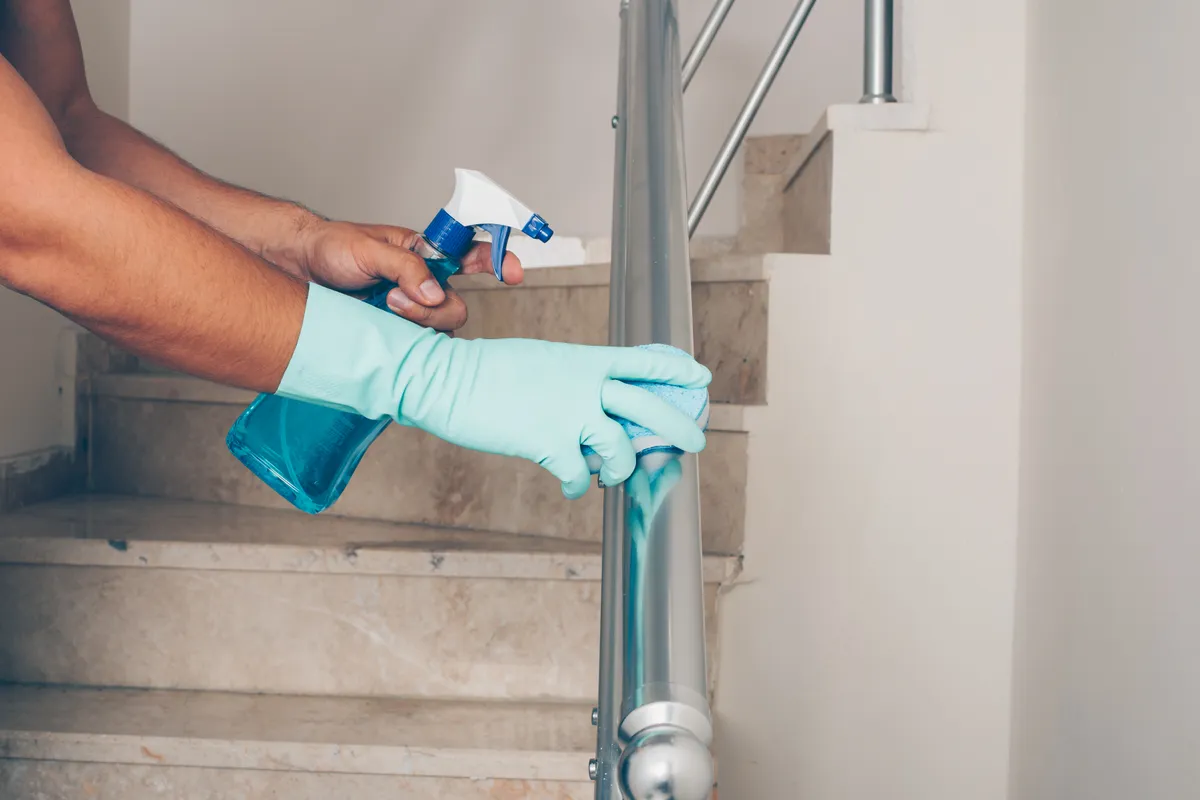
The hallway sets the tone for the rest of the house and tends to collect more dirt than most rooms. Start with cobwebs in corners, dust on picture frames, and marks on doors and architraves. Wipe light switches, bannisters, handrails and door handles, as these are touched constantly.
If there is a console table, shoe rack or storage bench, pull it out and clean underneath and behind it. Vacuum edges properly, especially where grit gathers near the front door. For hard flooring, mop last once everything else is done.
Living room
In living spaces, begin high. Dust curtain poles, shelves, lampshades, the tops of frames and any ceiling corners. Then move on to lower surfaces such as coffee tables, sideboards, television units and skirting boards.
Soft furnishings often hold more dust than people expect. Vacuum sofas thoroughly, including under cushions and along seams. If possible, move lighter furniture to clean underneath. Pay attention to remote controls, switches and handles, which are easy to miss in a standard tidy-up.
If you have carpets, a deep clean may call for more than vacuuming. Spot treatment can help, but if the carpet is heavily marked or holding odours, professional carpet cleaning is often the better option.
Kitchen
The kitchen is where deep cleaning pays off quickly because grease and food residue build up gradually and then all at once feel overwhelming. Start by clearing worktops so you can clean every surface properly. Wipe cupboard fronts, splashbacks, tiles, sockets and switches.
Appliances need closer attention than they usually get in day-to-day cleaning. Clean the outside and inside of the microwave, wipe the kettle and toaster, and tackle the fridge shelves and door seals. If the freezer needs defrosting, plan extra time. Cupboard interiors may also need a wipe if crumbs, spills or dust have collected.
The hob, extractor and oven often take the longest. Degreasing the extractor filter and cleaning around burner rings or ceramic edges can make a kitchen feel noticeably fresher. Ovens are one of the most labour-heavy jobs in any deep clean, so this is an area where some households prefer to bring in a specialist service rather than spend hours on it.
Finish by disinfecting sink taps, draining boards and bin areas. Then vacuum and mop the floor, making sure to get under movable items where possible.
Bathroom and cloakroom
Bathrooms need both descaling and disinfecting, and the right order matters. Apply toilet cleaner, limescale remover or bathroom cleaner first so products have time to work while you tackle mirrors, shelves and external surfaces.
Clean and polish the basin, taps, bath and shower, paying attention to grout lines, silicone edges and around plugholes. These are the places where soap scum and mould tend to settle. Wipe towel rails, cabinet fronts, extractor covers and skirting boards.
Toilets should be cleaned inside and out, including the base, cistern and flush button. A separate cloth or disposable wipe for toilet areas is the sensible approach. Once all fittings are done, clean the floor last.
Bedrooms
Bedrooms collect dust quietly. Strip the bed, wash bedding if needed, and vacuum the mattress surface before remaking it. Dust wardrobes, bedside tables, headboards, lamps and mirrors. If wardrobes or drawers are overdue for attention, wipe inside shelves and clear out any dust that has settled around the edges.
Do not forget the less visible areas. Under-bed space, behind bedside cabinets and along skirting boards can hold a surprising amount of fluff and dust. Curtains, blinds and window sills also deserve attention during a deep clean, particularly in rooms where windows are opened often.
Utility room and storage areas
These areas are easy to postpone because they are practical rather than presentational, but they often need a deep clean more than the rest of the house. Wipe down washing machines and tumble dryers, including detergent drawers, door seals and tops. Dust shelves, check for spills from cleaning products, and vacuum corners where lint builds up.
If you have a cupboard under the stairs, pantry or airing cupboard, a quick sort and wipe can stop dust and stale smells from building up over time.
The details people often miss
A useful deep cleaning house checklist should include the areas that are not obvious at first glance. This usually means light switches, plug sockets, door frames, skirting boards, radiator surfaces, extractor fans, window ledges, handles, bin lids and the tops of doors. These are small jobs individually, but together they make a house feel properly clean rather than just tidied.
It is also worth checking whether walls need spot cleaning. In busy homes, especially where children or pets are involved, fingerprints and scuffs can gather around corners, stairways and dining areas. Not every painted surface can be scrubbed hard, so test gently first.
When to deep clean yourself and when to book help
Some homes are straightforward to tackle with a good checklist and enough time. If the property is already fairly well maintained, doing one room at a time can be manageable. The trade-off is time and effort. Deep cleaning takes longer than people expect, particularly in kitchens, bathrooms and carpeted rooms.
There are also situations where professional help makes more sense. End of tenancy cleaning, pre-sale preparation, post-build cleaning, neglected properties, and short-let turnarounds usually need a higher level of thoroughness and a tighter timescale. The same applies if you need carpets, ovens or windows done at the same time. One dependable provider can save a lot of coordination, which is why many local households and property managers choose a company such as Bedeen Cleaning Services for one-off deep cleans and specialist work.
A realistic cleaning plan that gets finished
The biggest mistake with deep cleaning is trying to do the whole house in one go without a plan. If you have a family home, it is often better to prioritise the kitchen, bathrooms and shared living areas first, then move on to bedrooms and storage spaces. If you live in a smaller flat, you may be able to complete the job in a day, but only if you keep the scope realistic.
Gather cloths, gloves, bin bags, a vacuum, mop, descaler, degreaser and a general surface cleaner before you start. Open windows where appropriate and use products suited to the surface rather than one strong cleaner for everything. More product does not always mean a better result, especially on delicate finishes.
A deep clean should leave the house easier to maintain afterwards. Once grease, dust and limescale are brought back under control, weekly cleaning becomes faster and more effective. That is the real value of doing it properly.
If your home, rental property or managed building needs a reset, use this checklist as a working plan rather than a perfection test. A thorough clean is not about making a house look staged. It is about making it healthier, fresher and ready for everyday life again.