If you have ever looked around your home, office or rental property and thought, "It looks tidy, but it still does not feel properly clean," you are already dealing with the difference between regular cleaning vs deep cleaning. Both services matter, but they solve different problems, and choosing the right one can save time, money and unnecessary frustration.
For many customers across Ipswich and Suffolk, the confusion starts with the names. Regular cleaning sounds like the standard option because it is. Deep cleaning sounds like the better option because it is more thorough. But that does not mean deep cleaning is always the right service to book. The better choice depends on the condition of the property, how it is used, and what standard you need to reach.
What regular cleaning vs deep cleaning really means
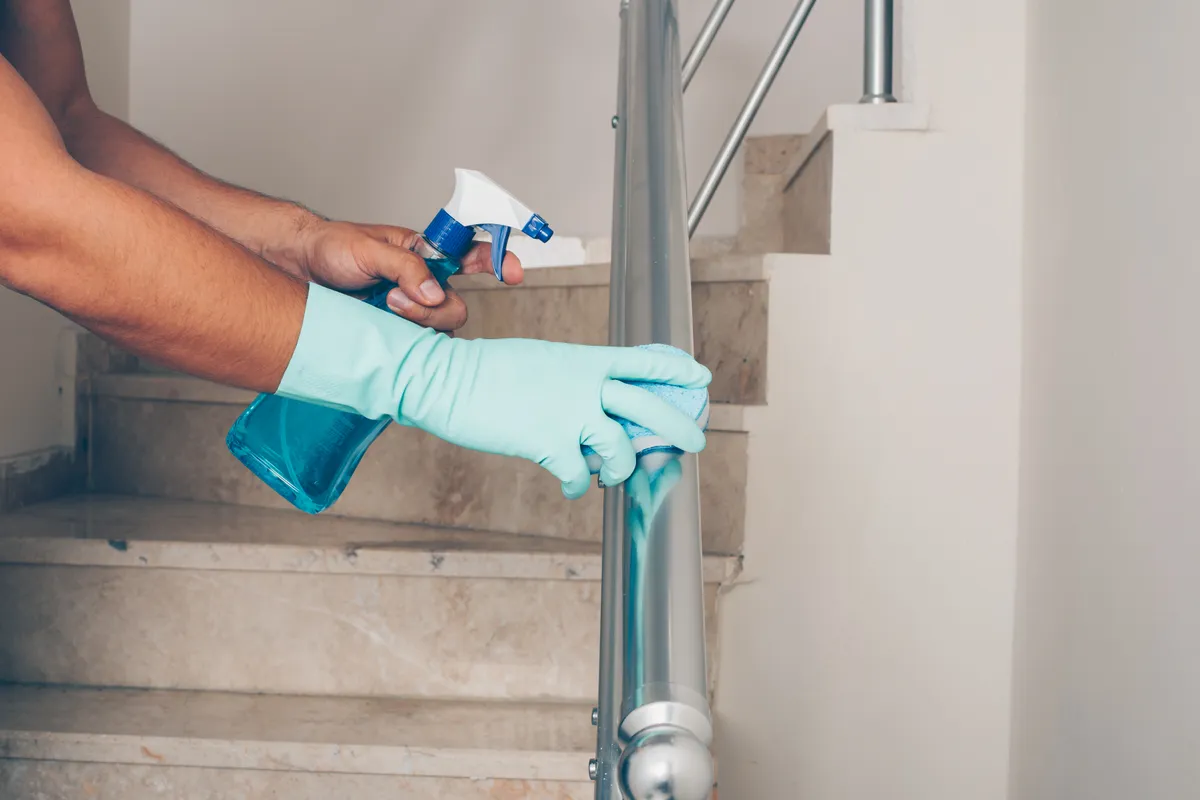
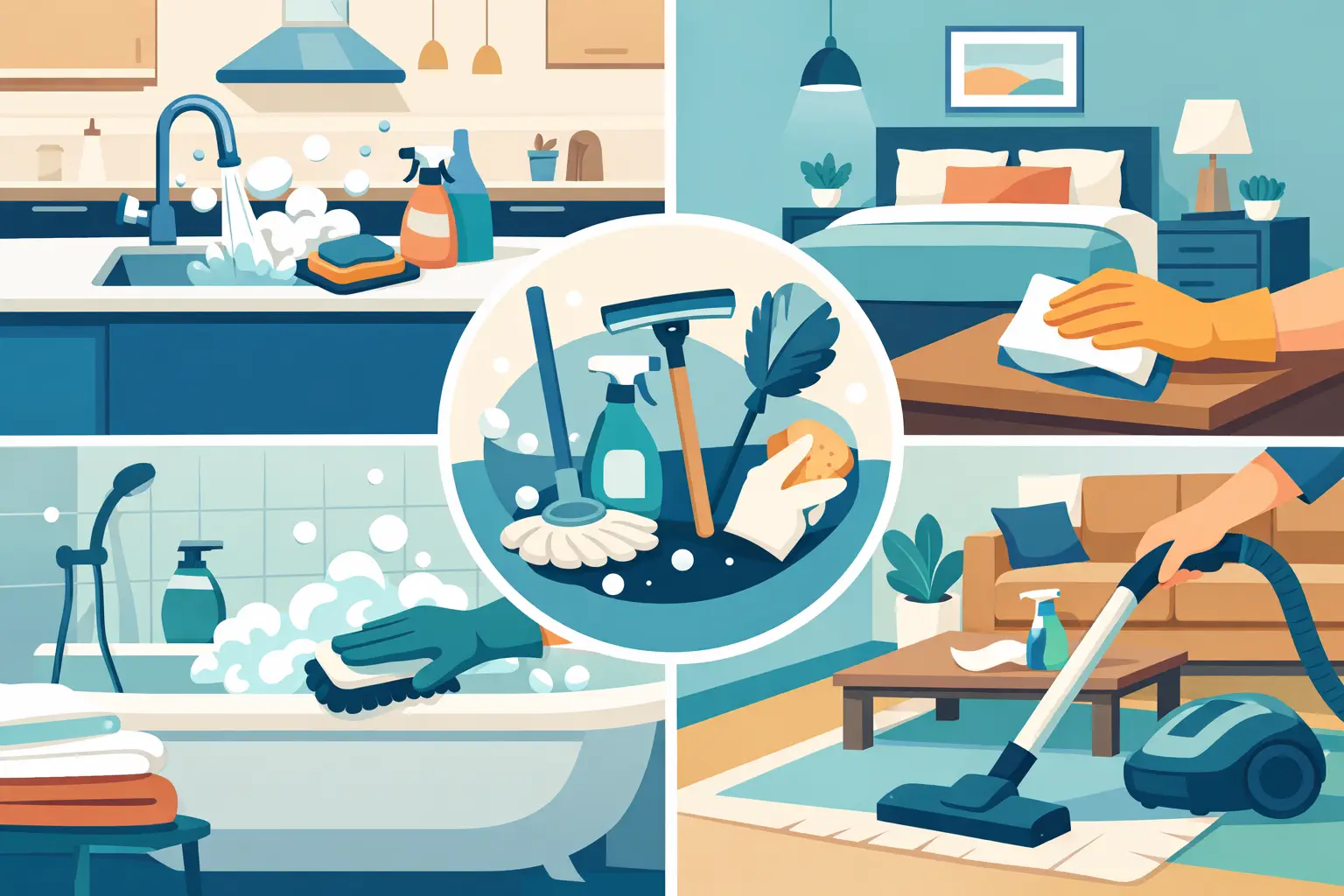
Regular cleaning is about upkeep. It keeps a property presentable, hygienic and manageable from week to week or visit to visit. In a home, that often means vacuuming, mopping, dusting, wiping kitchen surfaces, cleaning bathrooms and keeping the obvious day-to-day mess under control. In a workplace, it usually covers the areas that staff, customers or visitors use most often so the premises stay clean, professional and safe.
Deep cleaning is more intensive. It deals with the build-up that regular cleaning either does not reach or is not designed to tackle every time. That could include grime behind appliances, limescale in bathrooms, grease in kitchens, dust in neglected corners, marks on skirting boards, internal glass, high-touch points, and a more detailed clean of surfaces, fittings and fixtures throughout the property.
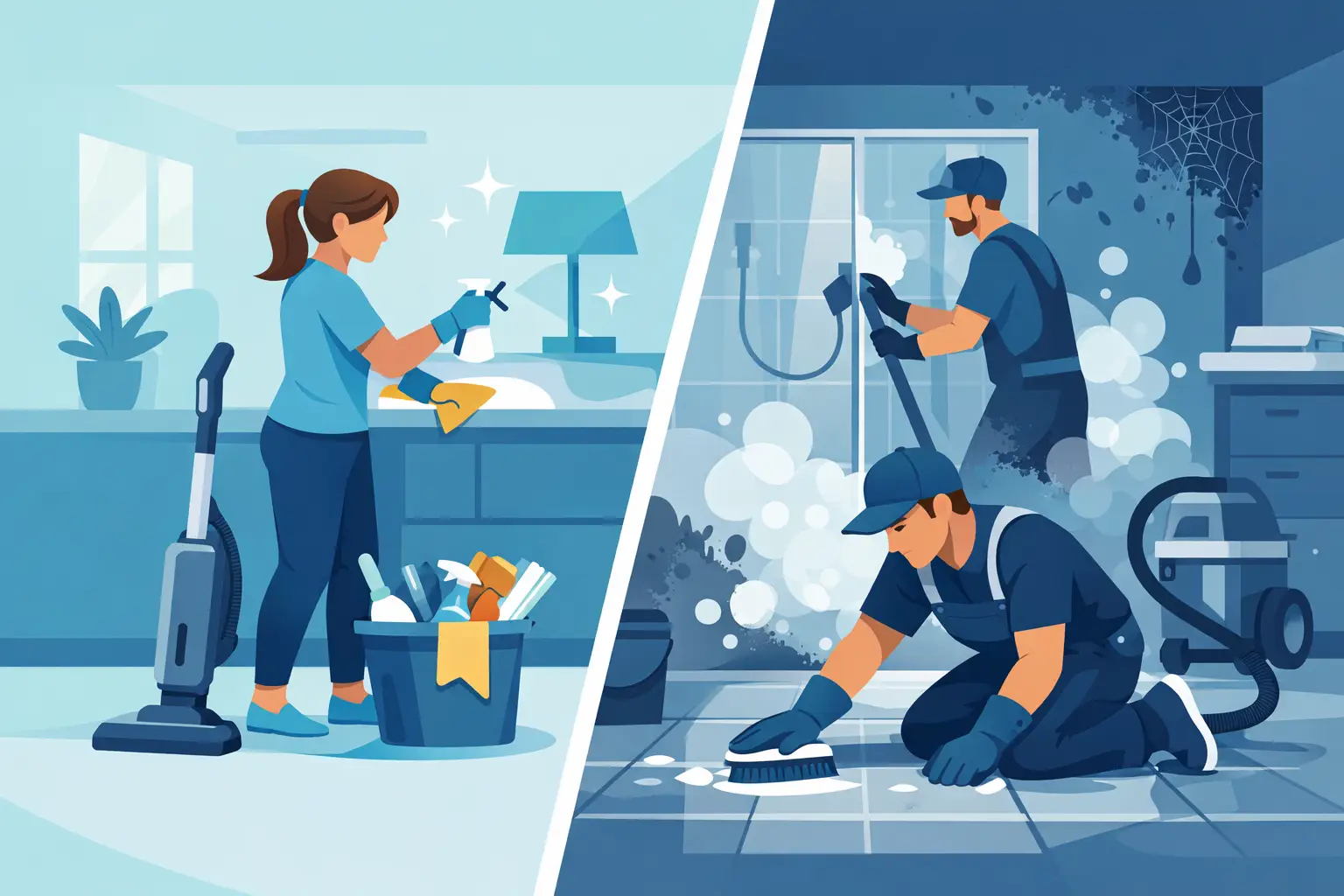
The simplest way to think about it is this: regular cleaning maintains a clean space, while deep cleaning resets it.
What is usually included in regular cleaning?
A regular clean focuses on the tasks that make the biggest visible and practical difference in everyday use. Floors are cleaned, bathrooms are sanitised, surfaces are wiped, bins are emptied where needed, and rooms are left neat and usable. In domestic settings, that may also include making beds, general tidying and keeping kitchens in good working order. In commercial settings, it often means maintaining desks, washrooms, communal areas, entrances and touchpoints.
This type of cleaning is best when a property is already in decent condition and needs consistent upkeep rather than restoration. That is why it suits weekly, fortnightly or scheduled contract cleaning so well. The aim is to stop dirt, dust and clutter from building up to the point where the space becomes difficult to manage.
There is also a practical cost benefit. Because the property is being maintained regularly, each visit is usually more efficient. Cleaner spaces stay easier to clean.
What is usually included in a deep clean?
Deep cleaning goes further into the detail. It is designed for spaces that need extra attention, either because they have been neglected, heavily used, recently renovated, prepared for new occupants, or simply not cleaned to a high enough standard for some time.
A deep clean may include detailed bathroom descaling, cleaning around and behind furniture where accessible, removing built-up kitchen grease, washing doors and frames, wiping skirting boards, cleaning light switches and handles, tackling stubborn marks, and paying closer attention to hidden or less frequently cleaned areas. Depending on the property, it can also involve specialist tasks such as carpet cleaning, oven cleaning or internal window cleaning.
That does not mean every deep clean is identical. A family home that has fallen behind on housekeeping will need something different from a surgery, a retail unit or an Airbnb property between periods of heavy occupancy. A good cleaning service adjusts the scope to the site, the condition and the intended outcome.
When regular cleaning is the right choice
If your property is already under control and you want to keep it that way, regular cleaning is usually the right fit. This is often the case for busy households, offices with daily footfall, schools, managed blocks and short-let properties with predictable cleaning schedules.
Regular cleaning works well when cleanliness is part of an ongoing routine rather than a one-off recovery job. It is particularly useful for people who do not want cleaning to become a recurring problem. Instead of waiting until dirt has built up in kitchens, washrooms or communal areas, the work is done little and often.
For landlords, estate agents and property managers, regular cleaning can also protect the overall condition of a property between larger interventions. For commercial clients, it helps maintain a professional appearance and supports hygiene expectations without unnecessary disruption.
When deep cleaning is the better option
Deep cleaning is usually the better choice when the space needs more than surface-level attention. That might be after a tenancy ends, before new tenants move in, after building work, before an inspection, after illness, at the start of a new cleaning contract, or when standards have slipped over time.
It is also common in hospitality and serviced accommodation. A property may look acceptable at first glance, but guest-facing standards are often much higher than household standards. The same applies in customer-facing commercial settings, where hidden grime can affect impression as much as obvious mess.
There is also the issue of hygiene. In some environments, especially healthcare, education and high-use commercial premises, a deeper level of cleaning may be needed periodically even when regular cleaning is already in place. This is not a replacement for routine cleaning. It is a way to support it and bring the environment back to a stronger baseline.
Why one is not a substitute for the other
A common mistake is assuming regular cleaning can eventually do the work of a deep clean if enough visits are booked. Sometimes that is partly true, but often it is inefficient. If grease has built up over months, limescale has hardened, or neglected areas have not been touched properly, a standard maintenance clean may not allow enough time to deal with it well.
The opposite mistake is booking a deep clean when what you really need is a regular service. A one-off thorough clean can transform a property, but if nothing follows it, standards can slip back quickly. That is why many customers benefit from starting with a deep clean and then moving onto a regular schedule.
This approach is often the most practical. The deep clean gets the property up to standard. Regular cleaning then keeps it there.
How to choose between regular cleaning vs deep cleaning
The best place to start is with the current condition of the property. If surfaces are generally clean, bathrooms are manageable, kitchens are under control and the main issue is lack of time, regular cleaning is likely enough. If there is visible build-up, staining, grease, neglected corners or a need to prepare the property for someone else to use, deep cleaning is probably the better fit.
You should also consider the purpose of the clean. A lived-in family home has different priorities from an end-of-tenancy property. A small office used by a handful of staff needs a different approach from a school or surgery. A short-let turnaround clean needs speed and consistency, but after a busy run of bookings, it may also need a deeper refresh.
Budget matters too, but it helps to think beyond the immediate cost. A regular service can reduce the need for repeated intensive cleaning. A well-timed deep clean can restore standards more effectively than several lighter visits that never quite get ahead of the problem.
For customers who want a straightforward answer, the most sensible option is often to ask for an honest assessment. A dependable cleaning company should tell you whether the property needs maintenance, a reset, or a mix of both.
The value of a tailored cleaning plan
No two properties are used in exactly the same way. A busy household with children and pets creates a different cleaning pattern from a landlord preparing a vacant flat. An office with daily staff traffic has different needs from a retail unit or healthcare setting. That is why a fixed idea of what counts as regular or deep cleaning can only go so far.
At Bedeen Cleaning Services, the practical approach is to match the service to the property rather than force the property into a standard checklist. That matters because customers are not really buying a category. They are buying a result - a cleaner, safer, better-presented space without the hassle of managing it themselves.
If you are deciding between the two, do not ask which service sounds better. Ask what condition your property is in now, what standard it needs to reach next, and what will keep it there with the least stress.