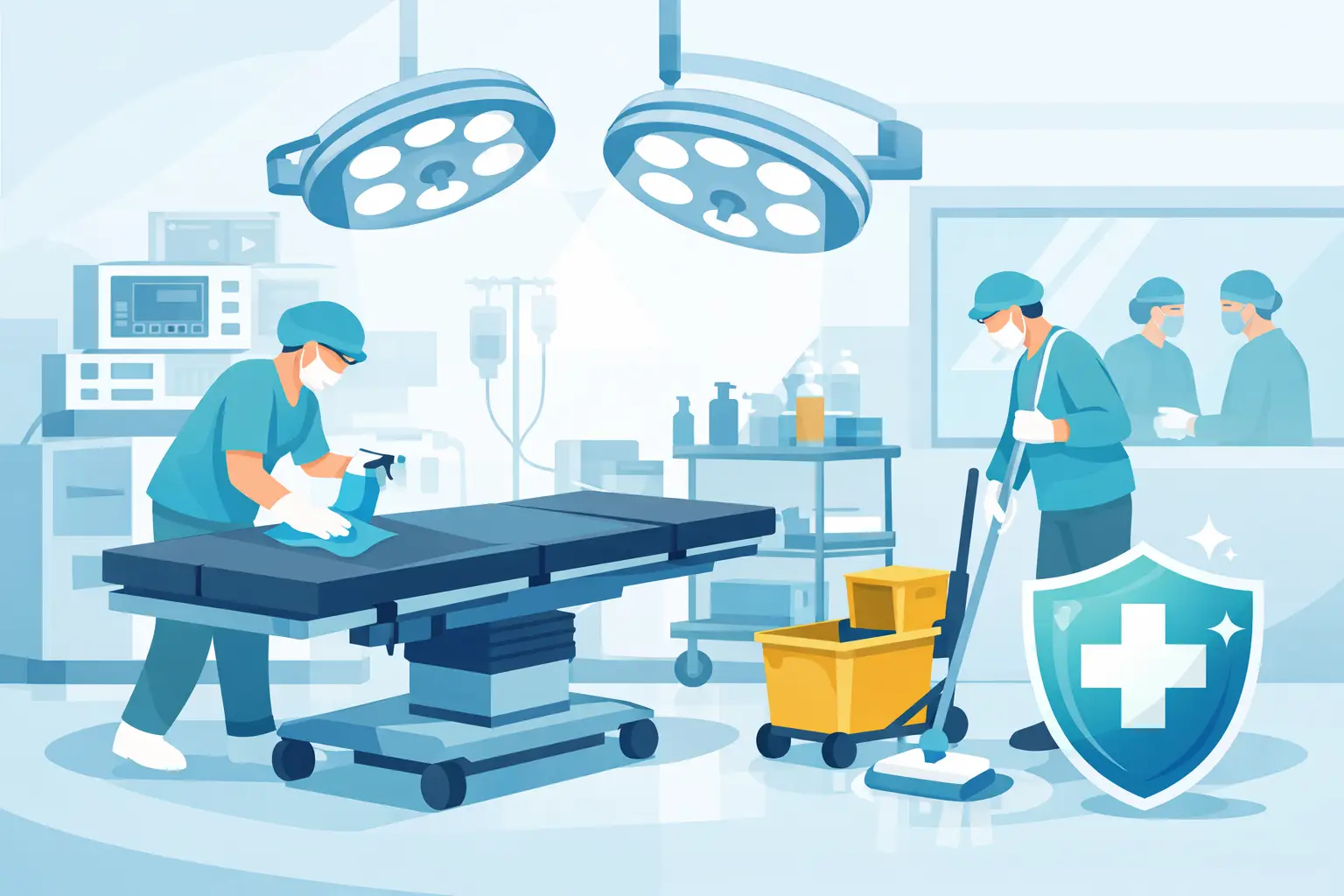
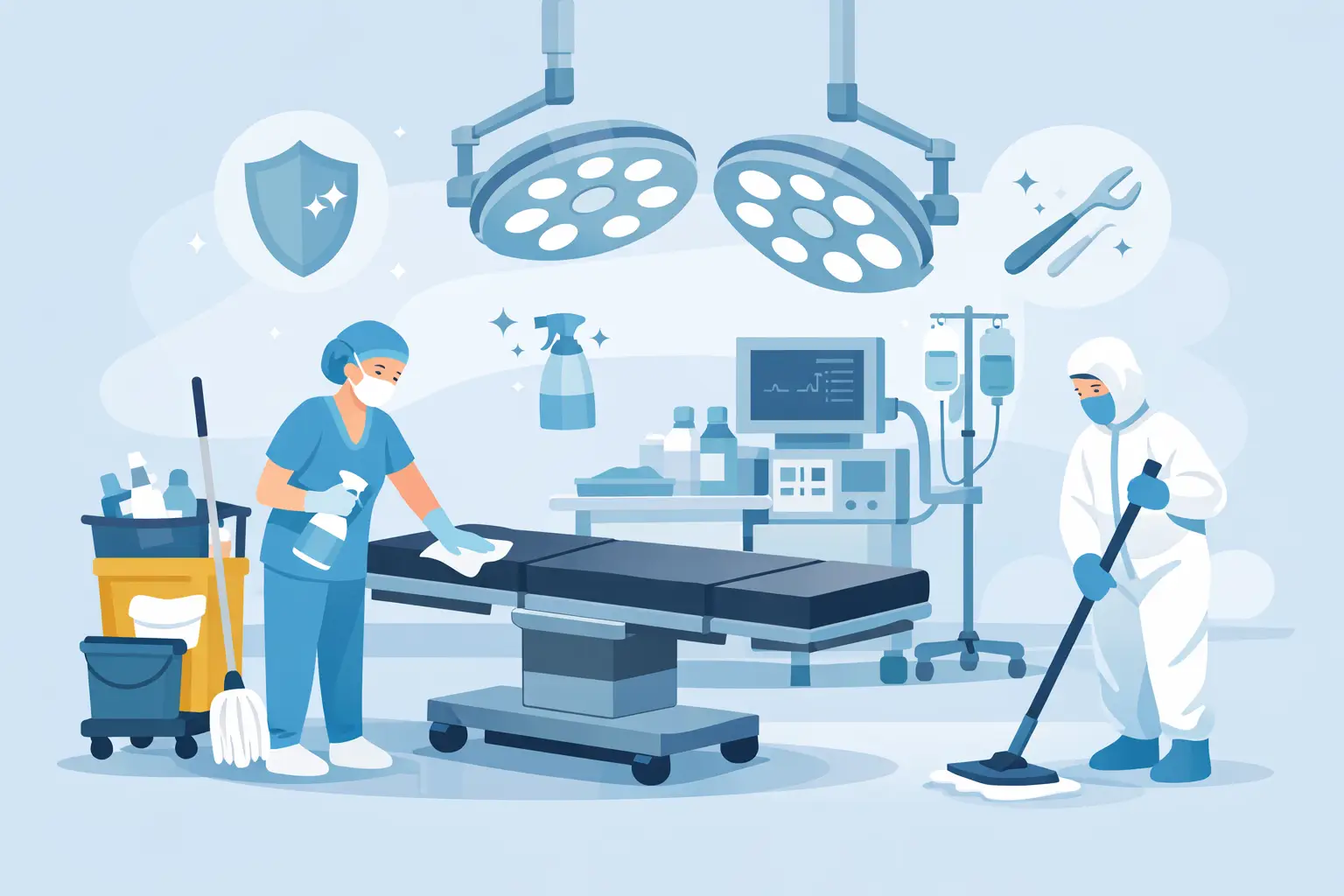
A medical surgery can look tidy at a glance and still fall short where it matters most. Handles, couches, taps, waiting room chairs, treatment surfaces and washroom touchpoints all need the right level of cleaning at the right time. That is why surgery cleaning requirements are not simply about appearance. They are about infection control, patient confidence and keeping the premises fit for everyday clinical use.
For GP practices, dental settings, consultation rooms and other patient-facing healthcare spaces, cleaning has to be systematic. Staff, patients and visitors move through the building all day, and different areas carry different levels of risk. A reception desk does not need the same approach as a treatment room, but both still need clear standards, reliable routines and proper records.
What surgery cleaning requirements usually involve
In practical terms, surgery cleaning requirements cover more than wiping visible dirt away. They include the safe cleaning of clinical and non-clinical areas, attention to high-touch points, the use of suitable products, and a schedule that reflects how the space is actually used.
A typical surgery has several zones with different needs. Waiting areas, reception counters and corridors need regular upkeep because they are used by everyone. Consultation rooms and treatment areas need a closer, more controlled standard of cleaning because they are tied directly to patient care. Toilets, kitchenettes and staff areas also matter because hygiene in shared spaces affects the whole building.
The detail matters. Floors may need daily cleaning, but so do the parts people forget, such as light switches, door plates, chair arms, sinks and bins. In a clinical environment, missed touchpoints can become the weak point in an otherwise tidy building.
Why standards matter in healthcare settings
Patients notice cleanliness straight away. If a waiting room feels dusty, a washroom is poorly maintained or a treatment room looks rushed, confidence can drop quickly. In a surgery, trust is part of the service. A clean environment reassures people that the practice is organised, careful and serious about hygiene.
There is also the practical side. Surgeries deal with unwell patients, vulnerable people and frequent footfall. That means surfaces can become contaminated more easily than in a standard office or shop. Good cleaning helps reduce that risk. It supports infection prevention measures already in place and helps staff work in an environment that is easier to maintain safely.
Compliance is another factor. Healthcare premises are expected to meet clear hygiene standards, and cleaning plays a direct part in that. If a provider cannot show that cleaning is thorough, consistent and documented, it may create problems during inspections or internal reviews.
Different rooms need different cleaning levels
One of the most common mistakes in healthcare cleaning is treating every room the same. In reality, the approach should reflect the purpose of the room, how often it is used and what kind of contact happens there.
Reception and waiting areas
These areas are the public face of the practice. They need to stay visibly clean throughout the day, especially seating, counters, internal glass, card machines, door handles and flooring. Because so many people pass through, frequent touchpoint cleaning is just as important as the general tidy-up.
Consultation and treatment rooms
These spaces need more controlled cleaning between sessions or at the end of each day, depending on how they are used. Examination couches, worktops, sinks, chairs, trolley surfaces and nearby contact points all need careful attention. In some settings, staff may handle part of the between-patient wipe-down, while contract cleaners complete the scheduled room clean. The key is clarity over who does what.
Toilets and washrooms
These areas need close monitoring. They should be cleaned thoroughly, checked regularly and kept stocked. Taps, flush handles, locks, dispensers and door plates are all high-contact areas and should not be treated as an afterthought.
Staff rooms and back-office areas
These rooms may be lower risk than treatment spaces, but they still need a proper routine. Kitchen surfaces, appliances, tables, wash points and shared touchpoints can quickly become unhygienic in a busy working day.
The role of cleaning schedules and documented routines
A good healthcare clean is built on consistency. That means having a schedule that sets out what is cleaned, how often and to what standard. Without that structure, tasks can be missed, duplicated or left unclear between in-house staff and external cleaners.
Daily cleaning usually covers floors, bins, washrooms, touchpoints and treatment or consultation spaces. Some items may need more frequent attention during opening hours, especially in busy surgeries. Other tasks can be scheduled weekly or periodically, such as deeper floor work, internal glass, lower-traffic storage areas and detailed dust removal in harder-to-reach places.
Documentation matters because it creates accountability. If a surgery needs to review standards, investigate an issue or demonstrate compliance, a clear record of what has been cleaned is useful. It also helps when premises managers need confidence that the agreed specification is being followed properly.
Products, equipment and safe methods
Surgery cleaning requirements also depend on using the right materials. The strongest product is not always the best one. In healthcare settings, cleaning solutions must be effective, suitable for the surface and safe for the environment they are used in.
This is where experience matters. Hard floors, vinyl surfaces, furniture finishes, washroom fittings and medical room surfaces may all need different treatment. Using the wrong chemical can damage materials or leave residues that are not appropriate in a clinical space.
Colour-coded cloths and mops, separated equipment and careful handling of waste all help reduce cross-contamination. Cleaners also need to work in a way that does not interfere with practice operations. In a live surgery, timing, discretion and awareness of patient areas matter almost as much as the cleaning itself.
How often should a surgery be cleaned?
There is no single answer that fits every site. A small private practice with limited daily appointments will not need the same schedule as a larger surgery with constant foot traffic. The right frequency depends on patient numbers, opening hours, room usage and the type of services delivered on site.
That said, most surgeries need daily professional cleaning as a baseline, with extra touchpoint attention during busy periods if required. High-use washrooms, entrances and waiting areas can need repeat checks across the day. Treatment spaces may need cleaning support at specific intervals linked to appointments, procedures or end-of-session routines.
This is one of those areas where it depends on the building, not just the category. A good provider will assess the actual site and recommend a schedule that is practical rather than excessive.
What to expect from a professional surgery cleaning service
A reliable provider should be able to work to a detailed specification, not just offer a standard office clean under a different name. That includes understanding which areas are patient-facing, which are staff-only, and which require stricter handling because of their role in care delivery.
You should also expect punctuality, consistency and cleaners who understand the need for discretion. Healthcare premises often start early, finish late or require cleaning outside clinical hours. Flexibility matters, but so does dependability. If a cleaning team misses visits or works inconsistently, the effect is felt quickly.
For local practices in Ipswich and the surrounding area, working with a company that can manage both routine and specialist cleaning needs can make day-to-day operations simpler. Bedeen Cleaning Services supports businesses that need practical, dependable cleaning delivered around how the premises actually run.
Common gaps that cause problems
In many surgeries, the issue is not a complete lack of cleaning. It is a gap between what is assumed and what is actually happening. A room may be cleaned daily, but not to the level needed. Touchpoints may be overlooked. Shared responsibility between staff and contractors may be left vague. Waste handling may be routine but not especially well organised.
Another common problem is relying too heavily on appearance. A polished floor and empty bin can give the impression that everything is under control, while smaller hygiene-critical tasks are missed. In healthcare settings, the finer points carry more weight than in general commercial cleaning.
That is why the best approach is specific, written down and reviewed from time to time. A surgery changes over time. Patient numbers rise, room use shifts, staff patterns change and winter pressures put more strain on shared spaces. Cleaning standards need to keep pace.
Clean premises do more than make a good impression. They help surgeries run more smoothly, support staff, reassure patients and reduce avoidable hygiene risks. When the routine is clear and the service is dependable, everyone in the building benefits. If your surgery cleaning setup feels pieced together or overdue for review, that is usually the right moment to tighten the standard before small issues become larger ones.