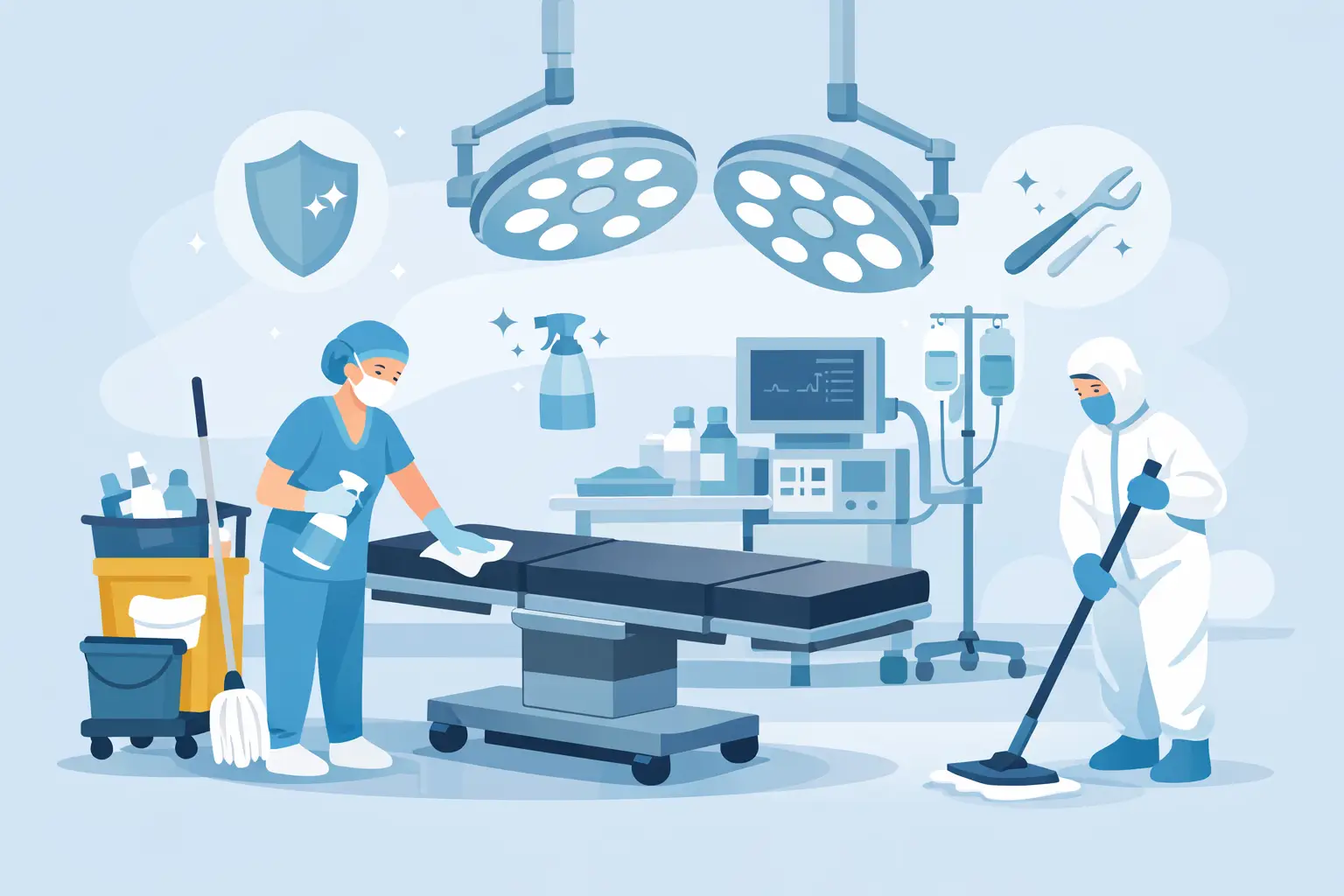

The standard of a clinic is judged before a patient says a word. They notice the reception desk, the flooring, the treatment room, the washroom, and the small details that suggest whether the space is truly cared for. That is why surgery cleaning services matter so much. In a healthcare setting, cleaning is not simply about appearance. It supports patient confidence, day-to-day safety, and the smooth running of the practice.
For GP surgeries, dental practices, consultation rooms and other clinical environments, the cleaning routine has to be consistent, practical and thorough. A missed touchpoint in an office is inconvenient. A missed touchpoint in a surgery can be a much more serious issue. The right service is built around reliable processes, suitable products, and cleaners who understand that a healthcare site needs a different approach from a standard commercial premises.
What surgery cleaning services should cover
A surgery has a mix of public areas, staff-only zones and clinical spaces, each with different cleaning needs. Reception areas need to stay presentable throughout the day because they shape first impressions and receive a high volume of footfall. Chairs, counters, doors and payment points all attract regular contact, so they need frequent attention.
Treatment and consultation rooms demand a more careful routine. Surfaces, couches, sinks, handles and storage fronts need proper cleaning with appropriate products and methods. Flooring also matters more than many people realise. Dust and debris build up quickly around skirting, corners and under movable furniture, and if these areas are neglected over time, standards drop visibly.
Washrooms are another priority. Patients and staff expect them to be clean, stocked and odour-free at all times. In a surgery setting, washrooms are not an afterthought. They are part of the overall hygiene standard of the premises.
Staff kitchens, offices and back rooms should not be ignored either. These areas may be less visible to patients, but they still affect the working environment and overall cleanliness of the building. Good surgery cleaning services look at the whole site, not only the obvious areas.
Why healthcare cleaning is different from standard office cleaning
Many businesses can work with a general office cleaning routine and achieve acceptable results. A surgery usually needs more than that. The risk profile is different, the frequency of contact is higher, and expectations are stricter.
In a clinic, cleaning often has to work around patient appointments, staff schedules and opening hours. That means timing is a practical issue as much as a cleaning issue. Some sites need early morning cleans before the first patients arrive. Others need evening visits after the practice closes. In some cases, there may also be a need for daytime touch-up cleaning in reception areas or washrooms.
There is also a difference in how tasks are prioritised. In a standard office, the focus might be on desks, kitchens, bins and flooring. In a surgery, additional attention is required for high-touch points, shared surfaces, entrance areas, seating, clinical handwashing points and rooms used by multiple patients in quick succession. That does not mean every surgery needs the same schedule. It depends on patient volume, room usage and the nature of the services provided.
The practical value of a reliable routine
A good cleaning routine reduces the pressure on practice managers and staff. When cleaners arrive as agreed, bring the right equipment, and carry out work consistently, the clinic team can focus on patients rather than chasing contractors or checking whether basics have been done.
Reliability is often what separates a useful service from a frustrating one. A surgery may be able to tolerate a late cleaner once in a while, but regular inconsistency creates knock-on problems. Bins are not emptied when they should be, washrooms run low, and clinical rooms feel less prepared at the start of the day. Even if the issue seems minor at first, standards can slip quickly.
This is one reason many practices prefer a provider that can manage a wider range of cleaning needs under one roof. If the same company can support routine surgery cleaning, periodic deep cleans, carpet cleaning in selected areas and internal window cleaning where needed, it makes planning much easier. It also reduces the time spent coordinating several contractors.
Surgery cleaning services and patient confidence
Patients may not know which disinfectant has been used or how a schedule is organised, but they can tell when a clinic feels clean. They notice dust on ledges, smears on doors, debris in corners and neglected washrooms. Those details affect confidence.
That confidence matters because healthcare visits already make many people uneasy. A clean and orderly environment helps create reassurance from the moment a patient walks in. It tells them the practice is careful, attentive and well run. For parents bringing children, elderly patients attending appointments, or anyone visiting because they are already worried about their health, that impression carries real weight.
A visibly clean environment also supports staff morale. Reception teams, clinicians and support staff work better in a premises that feels maintained properly. It is easier to uphold internal standards when the external cleaning support is dependable.
What to look for in a surgery cleaning provider
The best provider is not always the one promising the longest checklist. It is the one that understands how your site actually works. A local cleaning company should be able to assess the layout, discuss traffic levels, identify priority areas and recommend a schedule that matches the building rather than applying a one-size-fits-all plan.
It also helps when the company supplies its own equipment and cleaning products. That removes another layer of admin for the client and helps keep standards consistent. Where possible, safe and eco-friendly products are a sensible choice, but suitability still comes first. In a healthcare setting, products have to be appropriate for the surfaces and the environment.
Communication is just as important as the cleaning itself. If access arrangements change, a room is temporarily out of use, or extra attention is needed after a particularly busy week, the service should be flexible enough to respond. Practices do not need long explanations or delays. They need practical support and clear follow-through.
For clinics in Ipswich and the surrounding Suffolk area, working with a local provider can also make a real difference. A local team is usually better placed to respond quickly, maintain regular contact and adapt to the site’s routine without unnecessary complications. That local accountability is one reason businesses often prefer an established operator such as Bedeen Cleaning Services for specialist cleaning work.
How often should a surgery be cleaned?
There is no single answer, because every surgery runs differently. A smaller practice with lower patient traffic may need a structured daily clean with periodic deeper work built in. A larger surgery or clinic with heavier footfall may need more frequent attention in shared spaces and washrooms, along with a stricter schedule for treatment rooms and entrance areas.
Seasonal pressures can affect this as well. During busier periods, waiting rooms and touchpoints may need more frequent cleaning simply because the site is under more strain. The same applies if a practice is carrying out refurbishment work in one area, managing higher demand, or sharing parts of the building with other services.
This is where a tailored plan matters. Cleaning that is too light creates obvious problems. Cleaning that is excessive in the wrong places can be inefficient and unnecessarily costly. The right balance comes from understanding the premises properly and adjusting the routine when needed.
A clean surgery supports the whole service
Cleaning should make a surgery easier to run, not harder to manage. It should fit around appointments, support staff, reassure patients and help keep standards high every day. When the service is well organised, much of it goes unnoticed, and that is usually a sign it is working exactly as it should.
For healthcare settings, there is real value in having a cleaning partner that is practical, flexible and consistent. Not every clinic needs the same schedule, and not every cleaning company is suited to regulated environments. The important thing is to choose a service that takes the setting seriously and treats every visit as part of the wider patient experience.
If your surgery needs support, the best starting point is simple: look for a provider that understands the pace of clinical premises and can keep your space clean, safe and ready for the next patient.